
Collision Avoidance System for Fleet Safety and Forward Collision Warning
Learn how collision avoidance systems use cameras and radar to detect potential hazards in real time and alerts drivers of imminent danger. These advanced safety technologies, including FCW, continuously monitor a vehicle's surroundings, allowing time to react before impact. Vehicles equipped with this crash avoidance technology reduce accidents by 52% (FMCSA/VTTI) and improve driver performance on Australian roads.
See how it worksBenefits of Collision Avoidance Systems
Rear-end collisions are the most common commercial vehicle crash type, accounting for significant insurance costs and downtime. Collision avoidance systems have become essential fleet technology because they help prevent collisions using radar sensors, lidar, and cameras. When a potential collision is detected, the system issues a warning to alert the driver, allowing time to brake or steer away. Collision avoidance systems help managers protect drivers, reduce collision risk, and improve road safety across operations.
Rear-end collision prevention
When the system detects danger, it alert drivers before impact, giving 2-3 seconds to react. When the system determines that a collision is likely, it triggers audible and visual warnings. At highway speeds, this extra reaction time can mean the difference between a near-miss and a serious crash, helping to prevent accidents.
Insurance claims reduction
Fleets with driver-facing cameras and collision avoidance features reduce insurance claims by 10-45%. Video evidence also provides driver exoneration when not-at-fault incidents occur. Collision warnings help fleets demonstrate proactive risk management to insurers, protecting your drivers and your business.
How Do Collision Avoidance Systems Work?
Collision avoidance systems rely on radar sensors, lidar, and AI cameras to continuously monitor a vehicle's surroundings and detect and respond to hazards. The system uses data from multiple inputs to identify objects, people, cyclists, and lane markings. When a potential collision is identified, it issues audible and visual warnings. If the risk increases, advanced systems may also prepare the brakes for rapid stopping. System data flows to management dashboards for analysis, improving safety performance and driver coaching over time.
AI cameras identify rapid closure rates with vehicles ahead, triggering audible warnings 2-3 seconds before impact.
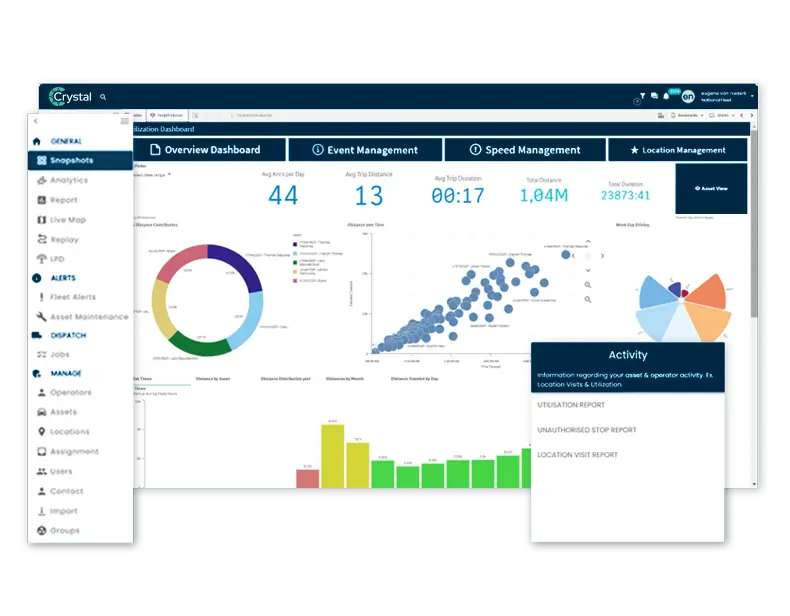
Events flow into dashboards to improve driver behavior through targeted training. Fleet operators use system data to identify high-risk patterns and improve performance over time.
Camera-based lane departure warning notifies drivers when vehicles drift out of lane without indicating, reducing side-swipe and run-off-road incidents. The system includes lane marking recognition that works in low light conditions.
Every collision warning event records video footage before and after the alert, providing evidence for incident review and insurance claims.
How To Implement Collision Avoidance in Your Fleet
Three steps from installation to measurable safety improvements across your vehicles.
Install AI cameras
Professional installation of forward-facing AI dash cam units on fleet vehicles. The crash avoidance systems use sensor-equipped cameras to identify risks and objects ahead. Road-facing cameras monitor the driving environment while optional driver-facing cameras spot fatigue and distraction. Similar to Mobileye and other safety platforms, the system is designed to retrofit onto any commercial vehicle. Installation takes under two hours per vehicle with no downtime.
Configure alert thresholds
Set following distance thresholds, speed limits, and sensitivity levels through the Ctrack platform. Configure which events trigger in-cab warnings versus manager notifications. The system may trigger at different thresholds based on speed and proximity. Tailor settings for different vehicle types and operating conditions to enhance response times.
Review events and coach drivers
Access events on the Ctrack dashboard with video clips. Review near-miss incidents, identify high-risk drivers, and deliver targeted driver safety coaching with driver monitoring data. These tools help continuously enhance driver behaviour, track trends over time, and build a culture of safety on the road with driver scorecards and real-time reporting.
Collision Avoidance Technologies Across Industries
These systems help protect fleet drivers and reduce costs across transport, construction, mining, and delivery operations. Like collision avoidance in aviation (traffic collision avoidance system), safety systems for road vehicles use warnings to help fleets avoid a collision and mitigate the collision impact when one occurs.
Transport and logistics
Long-haul drivers face fatigue-related risks on highways. Collision warning provides an additional safety layer, with the system designed to notify the operator when a hazard is ahead, even in low light conditions where visibility is reduced.
Construction fleets
Heavy vehicles operating near work zones benefit from car collision avoidance technology. These systems help reduce accidents on site and meet WHS compliance obligations.
Mining operations
Mining haul roads and light vehicle interactions create significant danger. These warning systems protect operators in environments where stopping distances are longer, using 3D maps to identify risks on haul roads.
Delivery and courier
Frequent stop-start driving in residential areas increases risk. The system alerts drivers during distracted driving moments, helping to avoid collisions with people and other vehicles in busy streets.
Collision Warning ROI: Improving Fleet Operations
Australian operators report measurable reductions in incidents, insurance claims, and vehicle repair costs after deploying these systems. Ongoing data helps managers track safety performance and demonstrate the return on investment from improving fleet operations.
Operators equipped with forward collision warning systems report a 52% reduction (FMCSA/VTTI) in safety-related incidents, helping improve performance and reduce incidents across all vehicles.
Australian insurers offer 5-15% premium reductions for fleets with video safety technology installed and actively monitored.
Video evidence from collision warning cameras exonerates drivers in 63% (ATRI) of not-at-fault incidents, protecting your business from fraudulent claims.
The Ctrack Advantage
One platform. Three pillars. Complete fleet intelligence.
Predict
Foresight that keeps your fleet moving. Anticipate maintenance, optimise routes, and reduce costs before issues arise.
Protect
AI-powered safety without surveillance. Real-time fatigue detection, driver coaching, and claims exoneration.
Comply
Built-in compliance that scales. Centralised records, audit-ready reports, and continuous regulatory alignment.
Collision Avoidance System FAQs
Explore Ctrack
Start with your biggest priority. Then expand into analytics, safety, and compliance as you grow.
See the Collision Avoidance System in Action
Book a demo to see how these systems help your vehicles avoid collisions, enhance driver behaviour, and reduce costs.
Book a demo