
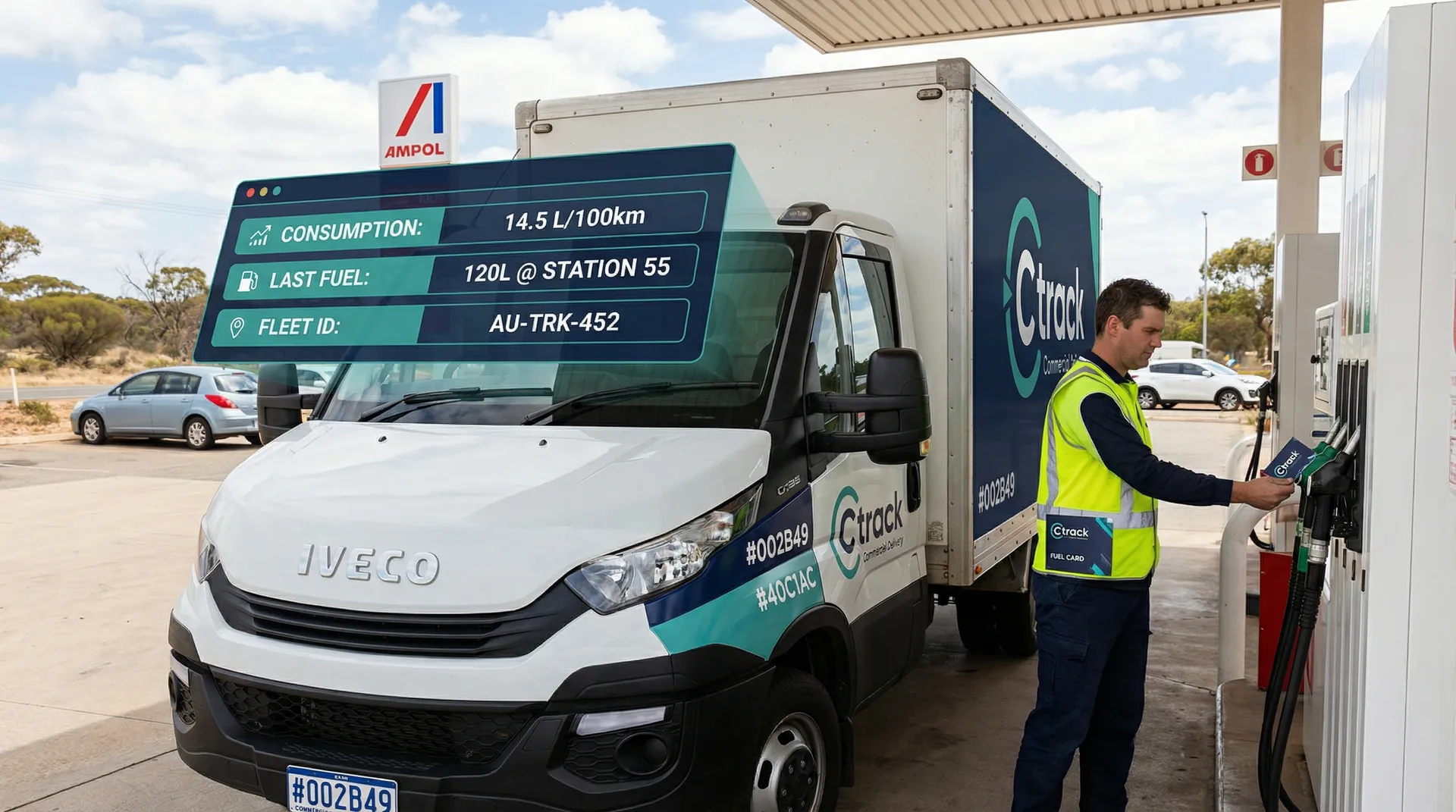
Fleet fuel management software
Reduce fuel costs by 10-20% with spend insights, anomaly detection, and supplier optimisation. Track fuel spend by asset, route, and driver across your fleet.
Book a Demo
See how Ctrack can reduce your fleet fuel costs.







Why fleets struggle with fuel costs.
Without a dedicated fuel management system, managers lack the data to identify where fuel spend is wasted. Hidden costs from theft, poor driving, and idle time can drain thousands from your operations each month. Whether your fleet runs diesel, petrol, or a mixed fleet of both, the same tank and card data applies, and Ctrack doesn't require different hardware per fuel type.
Fuel theft and card misuse
Without validation between card transactions and tank levels, personal fills go undetected. GPS cross-referencing and sensor data flag anomalies the moment they occur.
Inefficient driving habits
Aggressive acceleration, harsh braking, and excessive speeding reduce fuel economy by up to 30%. Targeted coaching at the individual driver level delivers measurable savings.
Excessive idle time wasting fuel
Non-productive idling wastes 7% of fleet fuel budgets. A truck running for one hour burns fuel equivalent to 40 kilometres of driving. Measuring engine-on time is the first step to reducing it.
Rising fuel prices with no data
Without benchmarking, it is impossible to know which assets perform inefficiently or where the biggest savings opportunities exist. Data-driven fuel management changes that.
Fleet fuel monitoring from telematics and fuel cards
Fleet fuel monitoring works from two sources at once. Fleet telematics reports what each vehicle actually burned, using in-vehicle tank sensors and engine data, while fuel card transactions report what you paid for. Ctrack matches the two against GPS position and time, so a fill that does not line up with a vehicle’s location gets flagged instead of disappearing into the monthly total.
Ctrack integrates the major fuel card providers rather than issuing cards, so you keep your existing supplier arrangements. Transaction data sits next to tracking, driver scoring and maintenance in one platform, and the same fuel data can support fuel tax credits reporting.
How tank-level sensing works
Each vehicle's fuel tank is fitted with a sensor that reports level in real time, independent of the fuel card. When a card transaction comes in, Ctrack checks it against the tank reading from just before and after the fill: a genuine top-up raises the level by roughly the litres purchased. A transaction with no matching rise, or a tank level that drops steadily between fills with no distance travelled to explain it, gets flagged immediately rather than waiting for the monthly reconciliation. The same tank data feeds consumption reporting per vehicle, so you're not relying on card totals alone to know what a truck actually burned.
Match card transactions to tank levels and vehicle location to detect theft. Using fuel cards with telematics data provides centralised reporting on fuel purchasing patterns, giving managers full transparency over your fleet's fuel spend. Fuel cards also help track fuel across multiple providers.
Notifications when vehicles run beyond configurable thresholds. Reducing idle time recovers up to 7% of wasted resources and lowers emission output. Alerts help operators take immediate action to cut fuel consumption.
Track fuel consumption at the individual vehicle and driver level with dashboards. Monitoring across the fleet reveals fuel usage across all assets, highlighting which have higher consumption than expected and enabling data-driven decisions to improve efficiency.
Individual scorecards identify wasting behaviours like harsh acceleration and speeding. Targeted coaching based on real data helps improve fuel efficiency by 10-15% through better habits alone.
Proactive vehicle maintenance keeps engines running at peak efficiency and helps reduce fuel wastage from poorly maintained assets. Automated scheduling ensures tyre pressures, air filters, and engine components are serviced to maintain fuel economy.
Comprehensive reporting lets you analyse fuel trends, benchmark performance, and identify savings opportunities. Data exports integrate with your existing fleet management software for complete operational transparency.
See exactly where your fuel budget goes. Break down fuel spend by asset, route, and operator behaviour. Identify which vehicles cost the most and where your biggest cost savings opportunities exist across the fleet.
Automatically flag excess idling, mis-fuelling, and unaccounted transactions. Operator accountability through data verification stops fuel cost leaks that drain profit month after month.
Project future fuel spend using historical trends, market factors, and fleet activity patterns. Accurate forecasting supports better fleet fuel budget planning and quotation accuracy for contract pricing.
Compare pricing across suppliers, depots, and regions. Identify overcharges and missed discounts. Get recommendations on the most efficient refuelling locations and negotiate better fuel rates using your real usage data.
How fleet fuel cost management works.
Connect your fuel data, analyse spend patterns, and take action to reduce costs. Three steps from raw data to measurable savings.
Collect Data
GPS trackers and sensors installed in your vehicles collect data on levels, consumption rates, and engine performance. Card transactions from fuel providers are automatically imported along with full transaction history. This gives your team a complete picture of how resources are being consumed and where spend is occurring.
Analyse and Alert
The software analyses data to detect anomalies, track usage across the fleet, and identify trends in fuel consumption. Automated alerts notify managers of theft, excessive engine-on time, or sudden changes in efficiency. The platform helps you optimize fuel usage and monitor overall spend.
Optimise and Save
Armed with actionable data, operators can implement targeted strategies to reduce costs. Driver coaching programs improve efficiency and reduce waste, route optimisation eliminates unnecessary kilometres, and proactive servicing ensures engines run optimally. Most fleets achieve 10-20% savings, making it easy to improve your fleet performance.
Best Practices for Fuel Management for Fleet Operations
Proven strategies that deliver measurable savings. Improving fuel performance starts with tracking consumption, correcting driver behaviour, and eliminating waste. These best practices help you lower costs and make your fleet more efficient.
Smarter routing reduces unnecessary kilometres and overall fuel spend. Optimised routes mean saving fuel on every trip.
Non-productive idle time wastes 7% of fleet fuel consumption. Monitoring and reducing engine-on time delivers immediate cost savings.
Correcting behaviours through targeted coaching can increase fuel efficiency and reduce fleet fuel costs by up to 20%.
Most operators see full payback on their investment within 3-6 months from reduced consumption alone.
Fuel Management Questions
Common questions about tracking fuel usage and improving efficiency across your fleet.
Related fleet fuel solutions
Fuel cost management works alongside Ctrack fuel tax credits and emissions reporting. The same fuel data powers all three solutions.
Fuel Tax Credits
Automated FTC claims with GPS off-road analysis, auxiliary fuel tracking, and ATO-ready reports. Claim fuel tax credits from the same data used for cost management.
Emissions Reporting
Convert fuel data into NGER and AASB S2 emissions reports. Track carbon by vehicle, site, and business unit. Reduce costs and emissions together.
Start with your biggest priority. Then expand into analytics, safety, and compliance as you grow.
Upgrade Your Fleet with Smarter Fuel Management
Join 300,000+ subscriptions using a fleet management system to lower costs, improve efficiency and reduce emissions. Book a demo to see how Ctrack can transform your operations.
Further reading
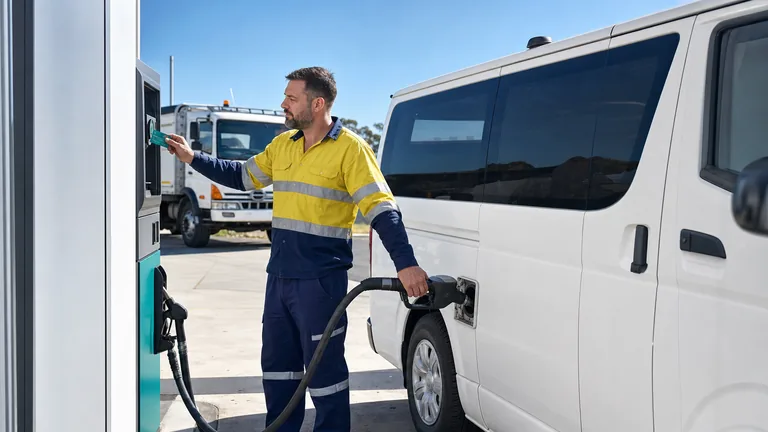
Five proven strategies to cut fuel spend by 10-15%, from route optimisation to driver coaching.
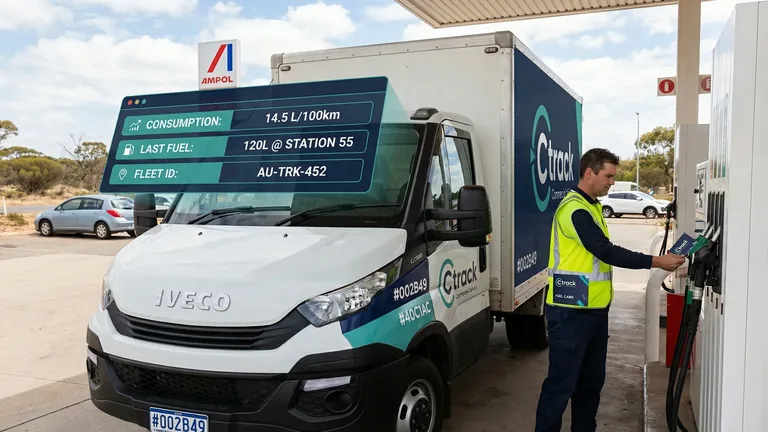
The hidden cost drivers, the controls that work, and the numbers to track each week.
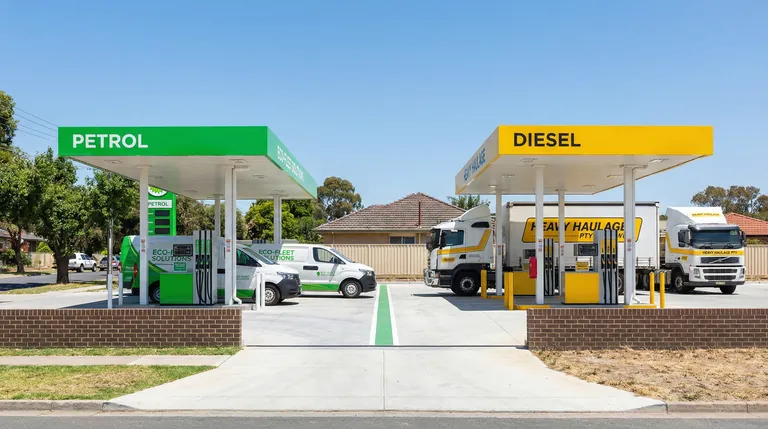
How fuel type affects running costs, maintenance and resale value for fleets.