
Edge Computing Fleet: Real-Time Data Processing at the Vehicle
Crystal processes data at the device level, inside the vehicle, before anything reaches the cloud. Alerts fire faster, bandwidth drops, and monitoring stays active across New Zealand's most remote routes.
Trusted by leading New Zealand fleets




40+ years
Fleet management experience
300,000+
Subscriptions worldwide
NZ support
Local team and installation
90%+
Data reduction
Edge processing at the camera unit reduces data transmission by more than 90% compared to continuous cloud-based video analysis
93%+
Detection accuracy
Modern AI fatigue detection systems running on edge hardware achieve accuracy above 93% for detecting drowsiness events
300%
Average fleet ROI
Frost and Sullivan research shows fleet tracking delivers an average 300% ROI. Efficient data management keeps that investment predictable
Ms
Alert response time
Edge processing triggers driver alerts within milliseconds of an event. Cloud-first round-trips take two to five seconds under ideal conditions
Real-time data processing
Real-Time Data Processing: Why Location Matters
Cloud-first architectures work well when connectivity is reliable. For many NZ fleets, that assumption fails regularly. Mobile network coverage extends across urban centres and major state highways, but thin coverage zones exist across Canterbury farming areas, Bay of Plenty rural roads, and the West Coast of the South Island.
When a vehicle enters a coverage gap, cloud-dependent processing creates blind spots. Alerts go undelivered. Events are not logged in real time. The driver continues without a system response.
Crystal's edge architecture inverts this. Each tracking device runs local processing logic. Driving behaviour thresholds, fatigue detection algorithms, and harsh event triggers run on the device. When connectivity returns, the device sends a compressed, structured data package to Crystal rather than a raw stream. For a 100-vehicle NZ fleet, edge processing reduces cellular data consumption by filtering at source.
- Local threshold logic on deviceSpeed limits, geofence boundaries, and driver hours rules are preloaded onto the tracking device. Violation detection happens locally.
- No blind spots in coverage gapsWhen a vehicle enters a rural coverage gap, edge processing keeps monitoring active. Alerts still fire. Events still log.
- Structured data, not raw streamsOnly meaningful events and structured summaries travel across the network. Unnecessary bandwidth costs stay low.
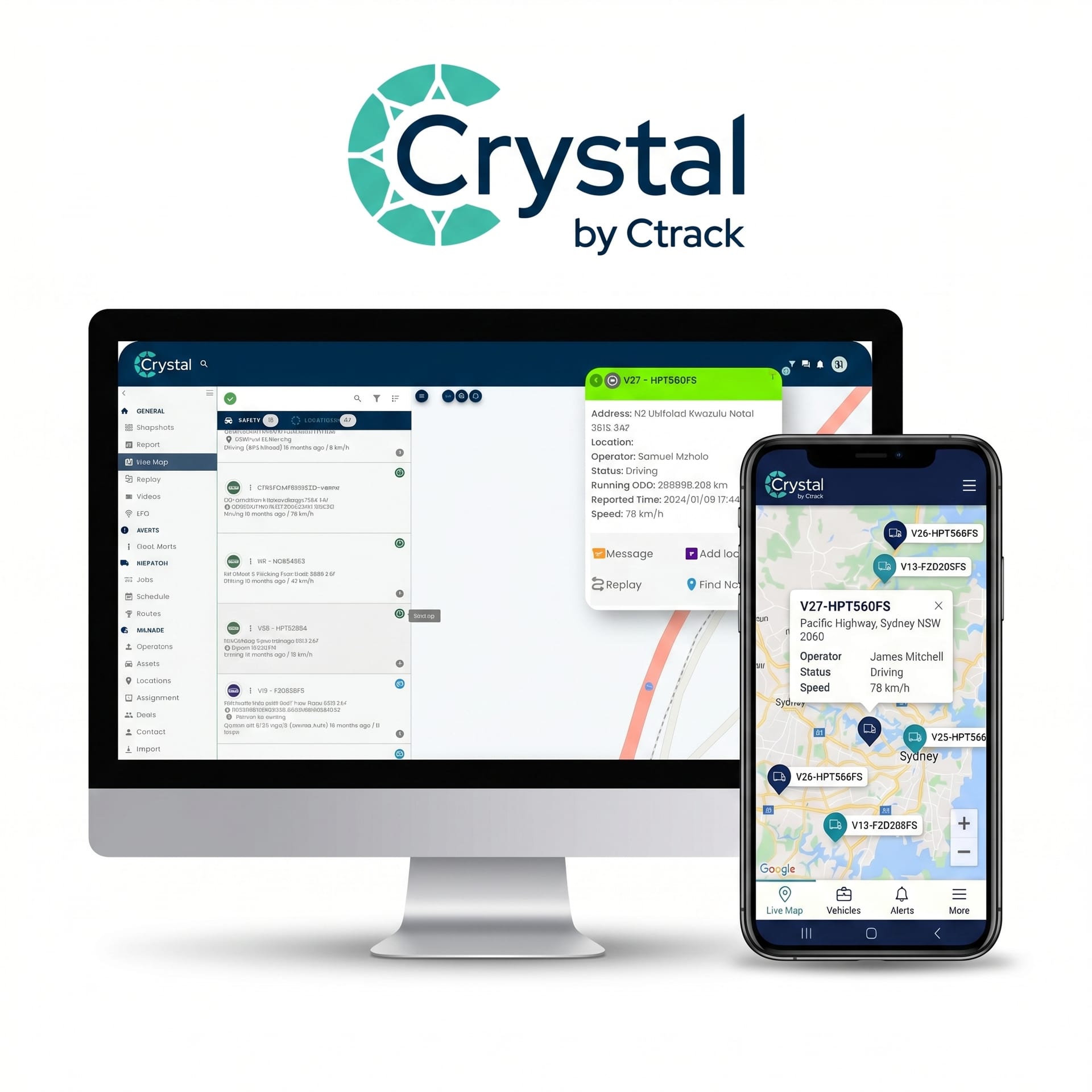
Crystal edge architecture
Edge Computing in Fleet Management: How Crystal Implements It
Crystal uses edge computing across three layers: device firmware, onboard processors in AI camera units, and the telematics gateway.
At the device layer, the GPS tracking unit runs local threshold logic. An alert reaches the driver within milliseconds, not after a cloud round-trip. At the camera layer, AI cameras run vision models directly on the hardware. Fatigue detection, distraction detection, and ADAS events are all processed on the camera's dedicated processor before any footage is transmitted. Only flagged events generate uploads. Continuous footage stays local until requested.
At the gateway layer, Crystal's telematics gateway aggregates local data, applies fleet-level rules, and queues outbound transmission. During low-connectivity periods, the gateway buffers events locally. When connectivity resumes, it transmits in priority order: safety events first, then driving behaviour data, then routine telemetry.
- Device layer: millisecond alertsSpeed, geofence, and driver hours logic runs locally on the GPS tracking unit. Alerts reach drivers within milliseconds, not after a cloud round-trip.
- Camera layer: onboard AI processingFatigue, distraction, and ADAS events are processed on the camera hardware. Only flagged clips and structured alerts transmit to Crystal.
- Gateway layer: priority queuingSafety events transmit first. Behaviour summaries follow in batches. Routine telemetry queues last, keeping bandwidth costs efficient.
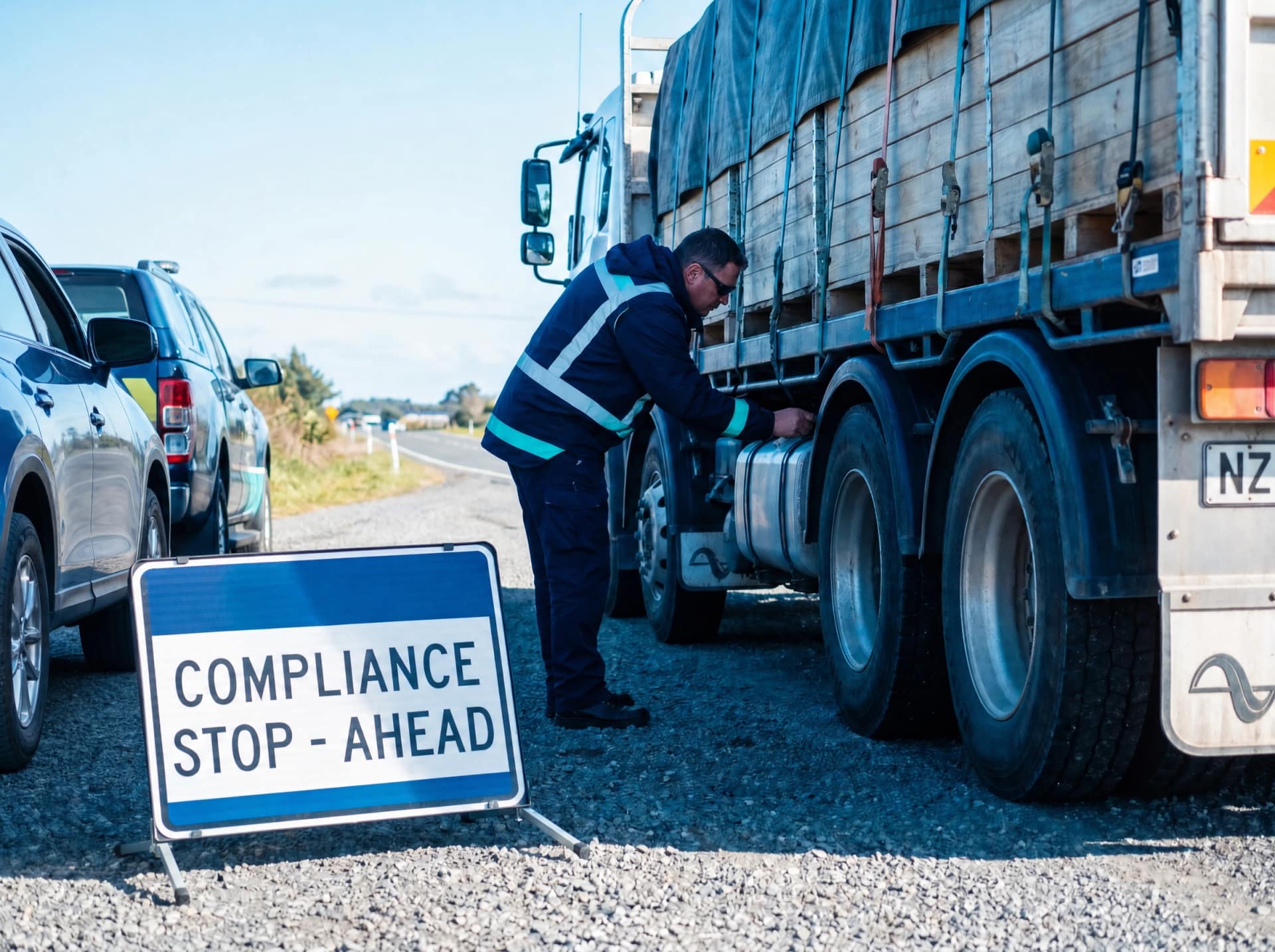
AI camera processing
AI Camera Processing at the Edge
AI-based safety detection creates large data volumes. Crystal's fatigue detection and ADAS systems process video on the camera unit itself. The camera runs an optimised vision model that analyses facial landmarks, eye closure patterns, and head position locally. When the model detects a fatigue or distraction event above the confidence threshold, it captures a short clip and sends a structured alert with timestamp, GPS coordinates, and event type to Crystal. For NZ fleets operating in rural areas with limited cellular bandwidth, this matters in practice. Edge processing at the camera unit reduces data transmission by more than 90% compared to continuous cloud-based video analysis. Modern AI fatigue detection systems running on edge hardware achieve accuracy rates above 93% for detecting drowsiness events. Processing at the vehicle preserves that accuracy without the bandwidth overhead of streaming raw video.
Remote fleet connectivity
Connectivity and Remote Fleets in New Zealand
New Zealand's geography creates genuine connectivity challenges for fleet operators. Farming operations across the Waikato, logging fleets in Northland, and construction equipment on the West Coast all operate in areas where consistent cellular coverage is not guaranteed.
Crystal's edge buffering prevents data loss in these scenarios. The device stores events locally with precise GPS timestamps from the onboard module. When connectivity is restored, the full event log synchronises to Crystal in the correct sequence. Your fleet manager sees an accurate record, not a gap with reconnection noise.
Under the Land Transport Rule: Work Time and Logbooks, drivers of vehicles over 3.5 tonnes must maintain accurate driving hour records. For PCBU obligations under the Health and Safety at Work Act 2015 (HSWA), operators need reliable evidence of driver activity. Edge-timestamped event logs provide that evidence whether or not the vehicle had cellular coverage at the time of the event.
- Edge buffering prevents data lossEvents are stored locally with precise GPS timestamps during coverage outages. The full event log synchronises in sequence when connectivity returns.
- HSWA-compliant event recordsEdge-timestamped logs provide audit-ready evidence of driver activity for PCBU obligations under HSWA, regardless of where the vehicle travelled.
- Fatigue detection without connectivityFatigue and distraction monitoring continues on device even when the vehicle is beyond mobile coverage. Events queue for upload on reconnection.
- ADAS in remote areasCollision warning and lane departure detection continue locally on the camera processor, keeping safety systems active across remote South Island routes.

Fleet data management
Fleet Data Management and Bandwidth Efficiency
Fleet telematics generates more data than most operators expect. GPS positions every 10 seconds, engine diagnostics, driving behaviour events, camera footage. Across a 50-vehicle fleet, that is a substantial and continuous data stream.
Crystal's edge architecture manages this through selective transmission. The device applies rules to determine what gets sent immediately, what gets queued, and what gets stored locally for on-request retrieval.
Priority 1 transmissions include safety events, geofence alerts, and fatigue or distraction detections. These transmit immediately when connectivity is available. Priority 2 transmissions include driving behaviour summaries, fuel consumption data, and scheduled position reports. Priority 3 data includes full trip logs, maintenance diagnostics, and archived footage. These transmit on request or during scheduled sync windows when vehicles return to depot. Research from Frost and Sullivan shows fleet tracking delivers an average 300% ROI. Efficient data management keeps the ongoing cost of that investment predictable.
- Safety events transmit firstFatigue detections, geofence violations, and ADAS alerts transmit immediately when connectivity is available. Nothing safety-critical waits in the queue.
- Behaviour data batched efficientlyDriving behaviour summaries and fuel consumption data transmit in batches during normal connectivity windows, keeping data plans predictable.
- Depot Wi-Fi sync for bulk dataFull trip logs and archived footage sync on request or during scheduled depot Wi-Fi windows, eliminating unnecessary mobile data costs.

Edge Computing: What Fleet Managers Ask
Practical answers for NZ fleet operators evaluating edge computing and real-time fleet data processing.
Book an edge computing demo
See how Crystal's edge processing delivers real-time fleet monitoring across NZ geography, from Auckland logistics routes to remote South Island stations.
What the demo covers
- See how edge processing works on Crystal-equipped vehicles
- Understand bandwidth savings for your fleet size and data plan
- Get a tailored quote for your fleet and connectivity profile