Agriculture Fleet Tracking NZ
New Zealand agriculture runs on wheels. Milk tankers, farm utes, vineyard vehicles, and non-powered equipment spread across remote rural roads need real-time GPS visibility. Ctrack's Crystal platform connects fleet tracking, asset tracking, and driver safety data in one system built for NZ agricultural operations.
Trusted by leading New Zealand fleets



40+ years
Fleet management experience
300,000+
Subscriptions worldwide
NZ support
Local team and installation
300%
Average ROI
Frost & Sullivan research shows fleet tracking delivers 300% return on investment. Most operations recover implementation costs within 3 months.
7%
Fuel lost to idling
Industry research shows idling wastes around 7% of total fuel consumption. Live tracking identifies which vehicles idle longest so you can act on the data.
69%
Asset recovery rate
Plant and equipment recovery rates rise from 40% to 69% or higher when GPS tracking is fitted to non-powered assets.
10-15%
Fuel cost reduction
Route optimisation reduces fuel expenses by 10-15% on average across tracked agricultural fleets, according to ATRI research.
NZ agriculture fleet management
NZ Agriculture Fleet Management
New Zealand's agricultural sector is unlike most others. Agriculture contributes roughly 7% of GDP but drives close to 80% of merchandise exports. Fonterra alone processes about 80% of NZ milk and generates NZ$23 billion in annual revenue, coordinating milk collection from thousands of farms across Waikato, Canterbury, Southland, and beyond. Zespri runs the world's largest single-variety fruit marketing operation from the Bay of Plenty, anchoring NZ's horticulture export industry.
Fleet management at this scale means more than knowing where a vehicle is. You need to know whether your driver left on time, whether the tanker took the approved route, and whether a costly piece of equipment has been moved from the property without authorisation.
Agriculture fleet management in NZ also carries compliance obligations. NZTA work time rules apply to drivers of vehicles over 3.5 tonnes GVM, covering milk tanker operators and heavy agricultural transport. The Health and Safety at Work Act (HSWA) places obligations on any Person Conducting a Business or Undertaking to manage the safety of workers, including those operating agricultural vehicles on public and private roads.
- Full fleet visibilitySee every vehicle and asset in real time — tankers, farm utes, sprayers, and non-powered equipment across your entire operation.
- NZTA compliance recordsAutomated work time records for drivers of vehicles over 3.5 tonnes GVM, supporting NZTA logbook requirements.
- Route verificationConfirm tankers and vehicles followed approved routes with timestamped trip history and deviation alerts.
GPS fleet tracking for NZ farmers
GPS Fleet Tracking for NZ Farmers
The daily reality of agricultural fleet management in New Zealand looks like this: a tanker completes a night run across three farms in Southland and you have no record of whether it stopped where it should. An irrigation contractor leaves a pump unit on a remote block in Canterbury and six weeks later no one can remember which property it went to. A sprayer covers a different paddock than the one on the job sheet. These are not hypothetical problems. They happen every season on operations that lack a GPS tracking system.
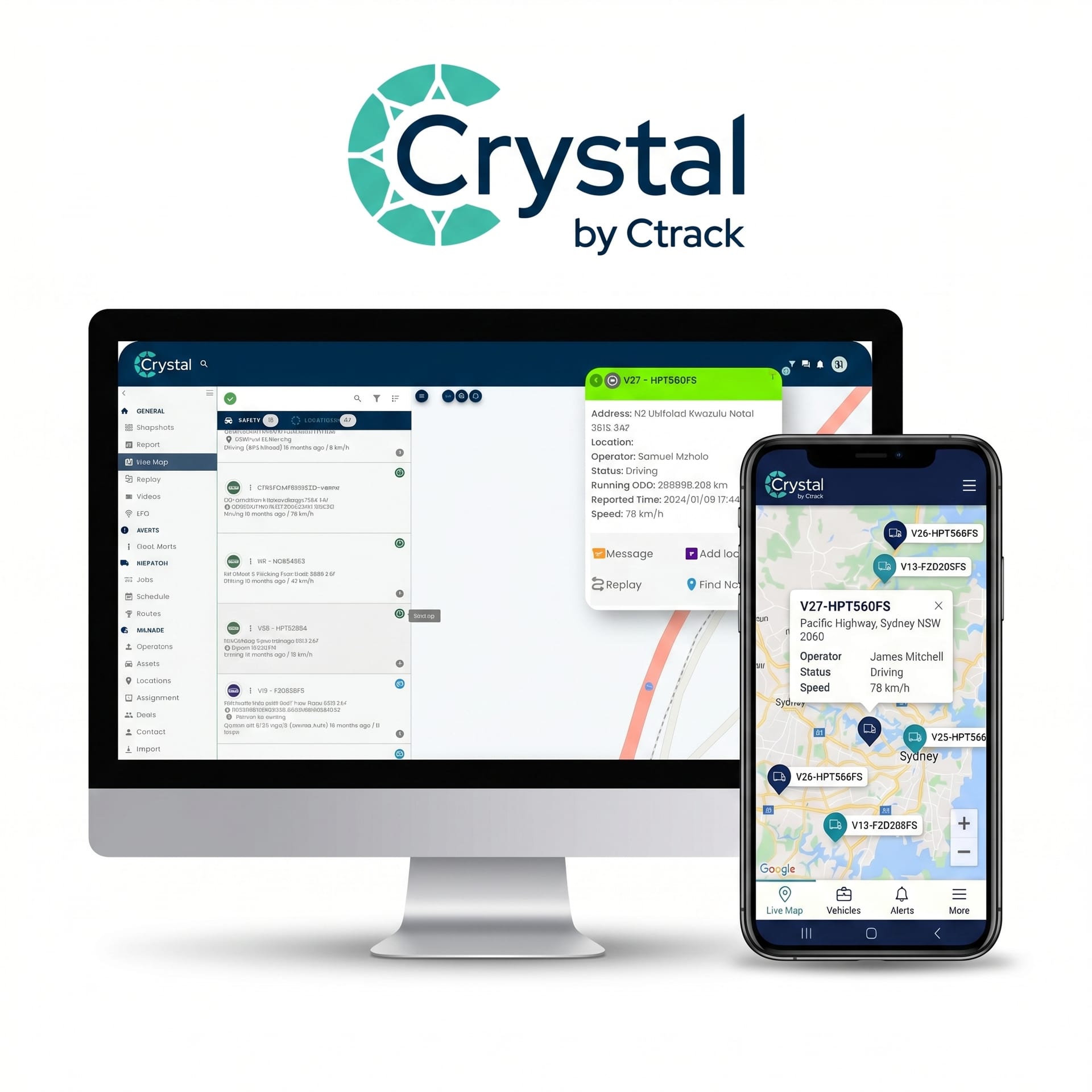
Agriculture fleet tracking closes these gaps. With GPS tracking on every powered vehicle, you see where units are right now, where they have been, and how long they spent at each stop. Route history shows every movement with timestamps. Geofencing alerts tell you when a vehicle enters or exits a designated zone.
Non-productive idling is a measurable cost in every agricultural fleet. Industry research consistently puts idling waste at around 7% of total fuel consumption. For a diesel tanker or tractor running 200 days a year, that is a material loss. For a 50-vehicle agricultural fleet spending NZ$8,000 per vehicle per year on fuel, cutting idling waste recovers NZ$28,000 annually.
- Real-time locationSee where every vehicle is right now, with live map updates and driver status across your entire agricultural fleet.
- Trip history with timestampsReview every movement with a complete route history, stop durations, and entry or exit events for any location.
- Idling reportsIdentify which vehicles idle longest and act on the data. Reduce fuel waste and cut unnecessary engine wear across your fleet.
Asset recovery
Plant and Equipment Theft Hits Agricultural Operations Hard
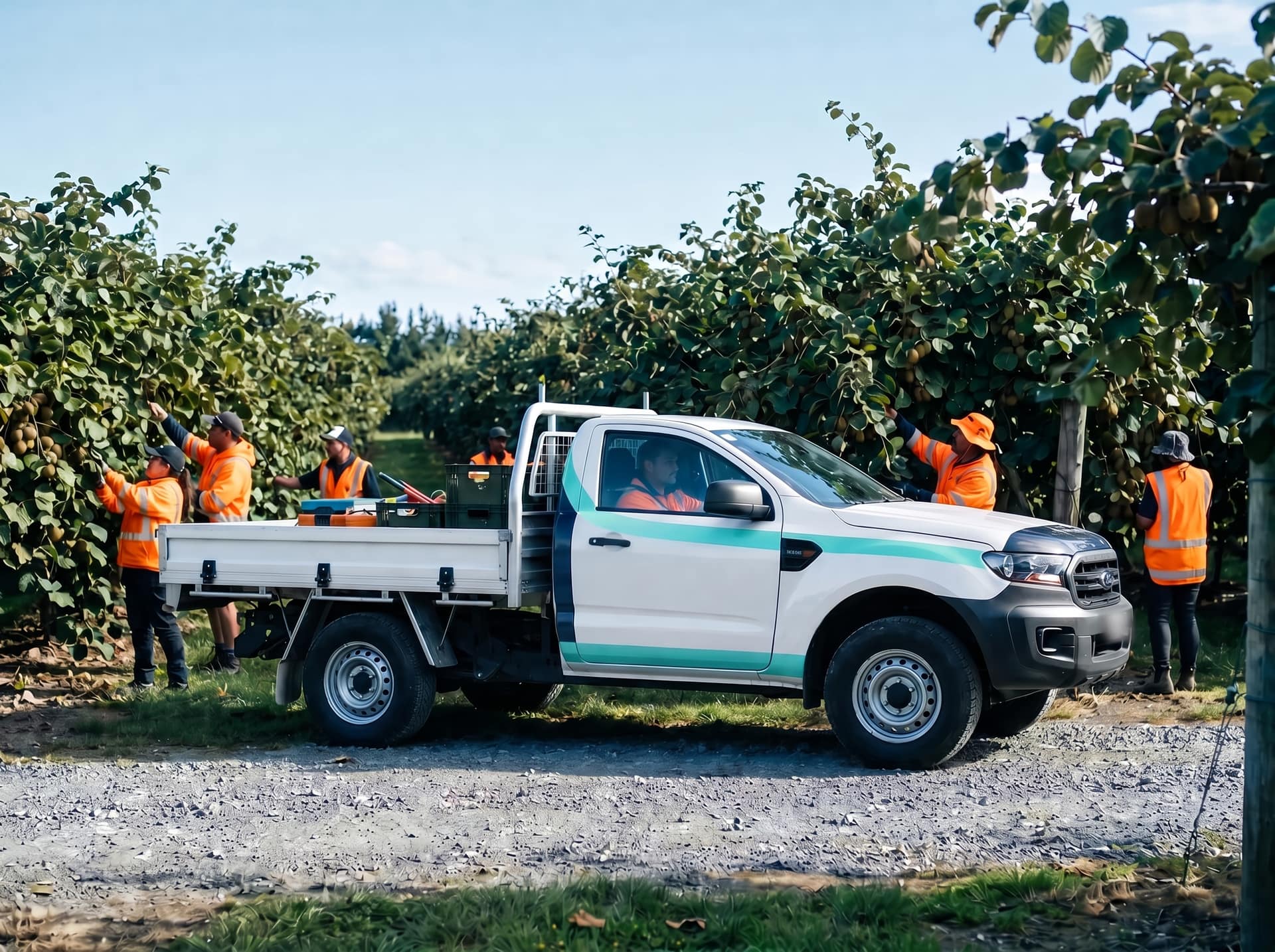
Plant and equipment theft recovery rates sit at around 40% without GPS tracking, and much of what is stolen never returns. When a GPS tracker is attached, recovery rates rise to 69% or higher. Battery-powered GPS devices run for up to 10 years without a wired power connection, making them practical for trailers, spray tanks, irrigation gear, and specialist plant that moves between properties and contractors.
Farm equipment tracking
Farm Equipment Tracking and Asset Visibility
Powered vehicles are only part of the picture. Agricultural operations hold significant capital in non-powered equipment: trailers, spray tanks, irrigation gear, and specialist plant that moves between properties and contractors. Battery-powered GPS trackers attach directly to these assets and run for up to 10 years without any wired power connection.
When equipment leaves for a contractor's property, you see it arrive and depart. When something moves without authorisation, an alert fires immediately. Asset tracking also informs maintenance scheduling based on real engine hours rather than a calendar estimate, reducing both unexpected breakdowns and unnecessary servicing costs.
Plant tracking extends this to heavier machinery. Tractors, harvesters, and specialist equipment often sit idle for large parts of the year. Understanding actual utilisation across your plant fleet tells you which assets earn their keep and which can be shared, redeployed, or sold.
- Battery-powered GPS tagsAttach trackers to trailers, spray tanks, irrigation gear, and portable plant. Up to 10 years battery life with no wired connection required.
- Movement alertsReceive an immediate alert when equipment moves outside approved hours or leaves a property without authorisation.
- Plant utilisation dataTrack actual engine hours across tractors, harvesters, and specialist plant to optimise deployment and servicing schedules.
Geofencing for agricultural operations
Geofencing for Agricultural Operations
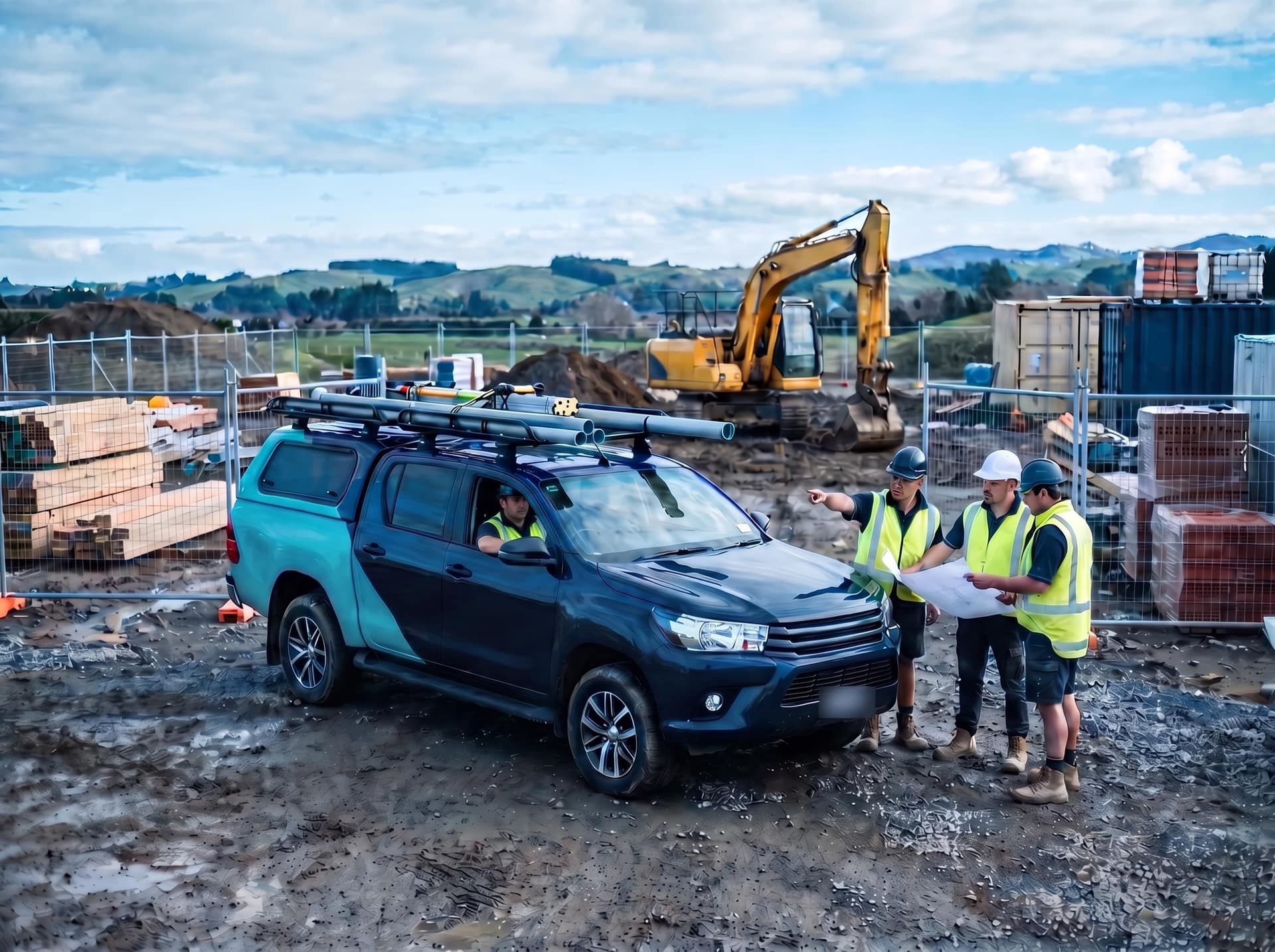
Agricultural properties have defined boundaries, and so do the operational zones within them. Geofencing lets you draw virtual boundaries around properties, paddocks, loading zones, and sensitive areas, then receive an alert the moment a vehicle or asset crosses that boundary.
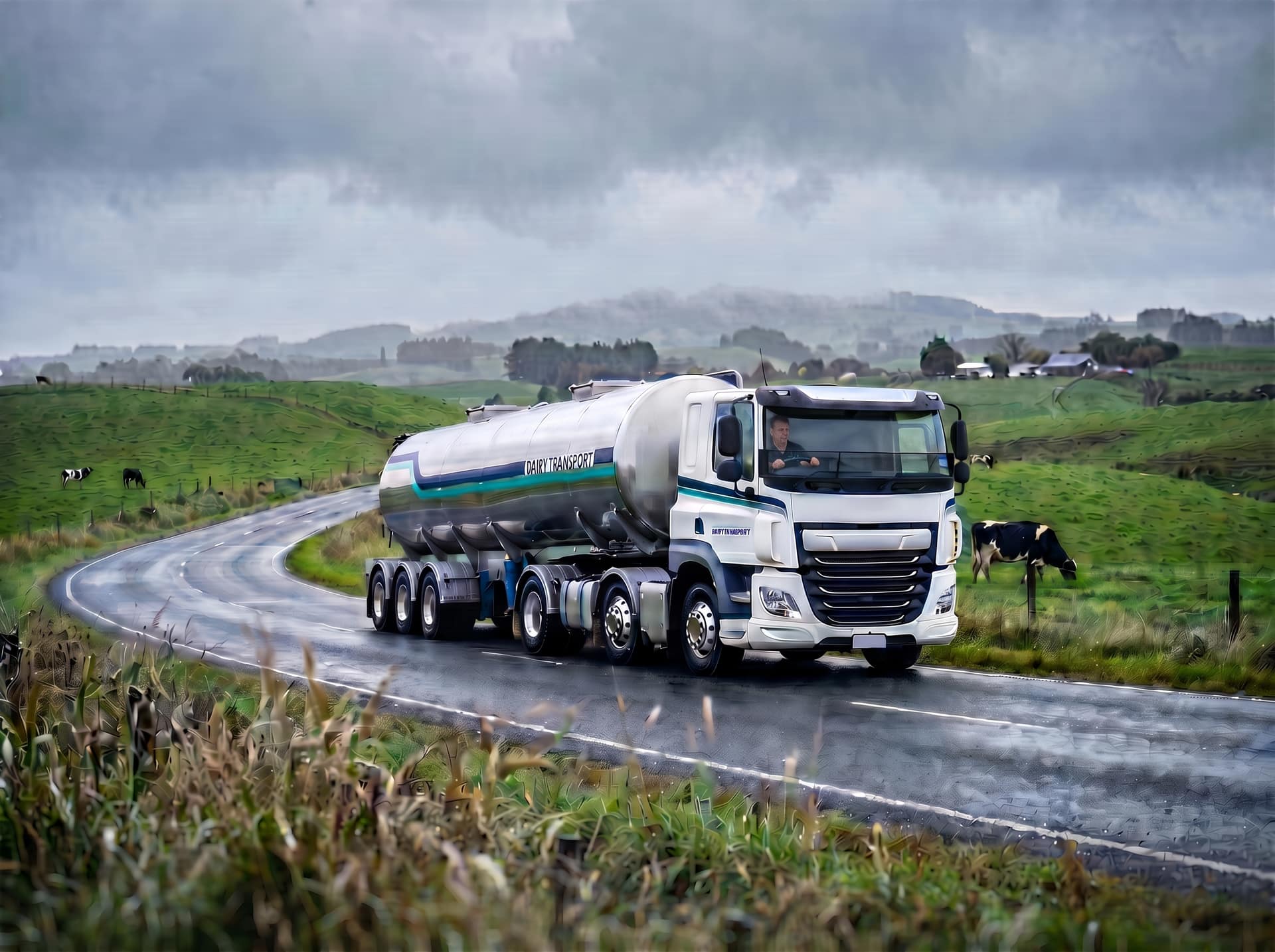
For dairy tanker operations, geofencing confirms collections at approved farm entry points and flags deviations from approved routes. For agricultural contracting businesses, it verifies that vehicles reached the client site and when they departed. For large stations, orchards, or vineyard operations, it shows whether equipment moved between blocks or zones as planned.
Geofencing alerts in the Crystal platform fire in real time. You configure different zone types with different rules: entry only, exit only, or both. Alerts go to a supervisor's mobile or email. No watching a screen all day and no discovering a problem three days after it happened.
- Property and paddock boundariesSet virtual zones around farms, orchards, vineyard blocks, and loading areas. Receive entry and exit alerts for any tracked vehicle or asset.
- Tanker route verificationConfirm milk collections at the correct farms and flag route deviations automatically without manual check-in calls.
- Mobile and email alertsAlerts reach supervisors via mobile notification or email in real time, so you act before a problem grows.
Fuel management for farming fleets
Fuel Management for Farming Fleets
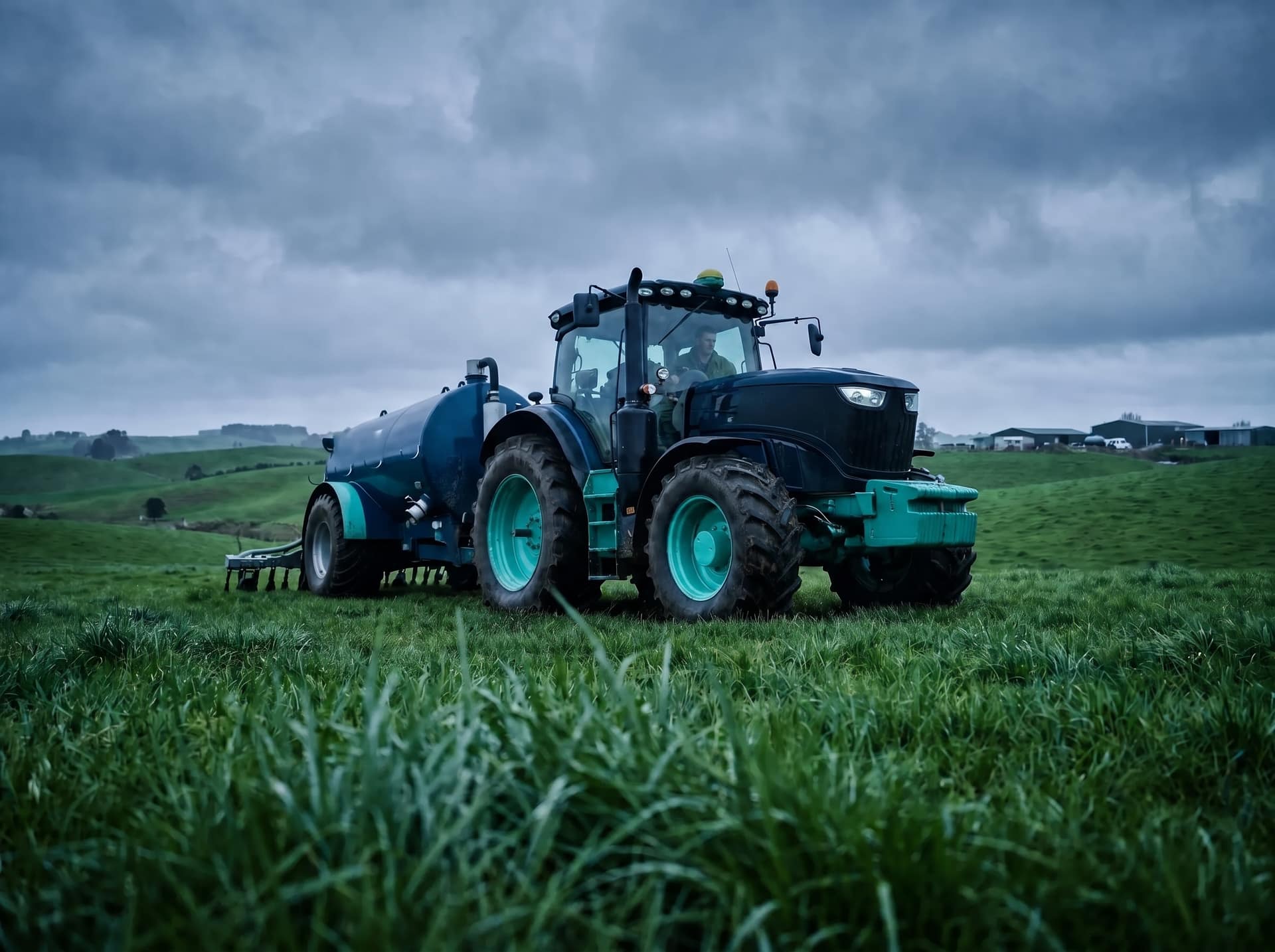
Fuel is one of the largest variable costs in any agricultural fleet. Tankers, tractors, and irrigation pumps consume significant volumes across a long season. Fleet tracking ties fuel consumption to specific vehicles, routes, and drivers. Route optimisation reduces fuel expenses by 10-15% on average, according to ATRI research. Idling reports show where engines run unnecessarily. Driver behaviour monitoring identifies harsh acceleration, excessive speed, and sharp braking, all of which increase fuel burn significantly.
For agricultural fleets operating across private land, there is also a Road User Charges consideration. NZ diesel vehicles and vehicles over 3.5 tonnes GVM pay RUC based on distance. GPS fleet tracking provides accurate distance records to support RUC licence management and, for off-road operations, the GPS evidence needed to support RUC off-road refund claims. For operations with significant off-road hours, that refund can be worth thousands of dollars per vehicle per year.
- Fuel consumption by vehicleTie fuel use to specific vehicles, routes, and drivers. Identify outliers and act with evidence rather than estimates.
- Driver behaviour monitoringTrack harsh acceleration, excessive speed, and sharp braking events that increase fuel burn and wear on agricultural vehicles.
- RUC distance recordsAccurate GPS distance data supports Road User Charges licence management and off-road RUC refund claims for eligible operations.
Driver safety across rural New Zealand
Driver Safety Across Rural New Zealand
Agricultural driving carries real risk. Rural roads are narrow, often unsealed, and regularly shared with slow-moving farm machinery. Fatigue is a material factor in rural crashes. NZTA work time rules cap driving hours at 13 per 24-hour period and require a 30-minute break after 5.5 hours of continuous work time. These limits exist because fatigue substantially increases crash risk on long rural routes.
Ctrack supports driver safety management through real-time vehicle tracking, driver behaviour monitoring, and automated alerts for speeding, harsh braking, and hours exceptions. When a driver approaches their work time limit, a supervisor receives a notification and can act before a rule breach occurs. When a vehicle stops in an unexpected location on a remote road, a manager can make contact immediately rather than waiting for a delayed check-in.
Under HSWA, your obligations as a PCBU include managing the risk of harm arising from agricultural transport. Fleet tracking data gives you the evidence that you are meeting those obligations and the early warning to respond when something is not right.
- Work time monitoringTrack driver hours against NZTA limits. Receive alerts when a driver approaches their 13-hour daily limit so you can act before a breach.
- Behaviour alertsAutomated notifications for speeding, harsh braking, and sharp acceleration on rural and unsealed roads.
- HSWA evidence trailAutomated fleet records demonstrate your PCBU duties under the Health and Safety at Work Act for agricultural transport operations.
Agriculture Fleet Tracking Questions
Practical answers for NZ farmers, agribusiness operators, and agricultural contractors evaluating GPS tracking for their fleet.
Book an agriculture fleet tracking demo
See how Ctrack maps GPS tracking, asset visibility, and geofencing to your agricultural operation.
What the demo covers
- See real-time tracking applied to your fleet size and operation type
- Review hardware options for powered vehicles and non-powered equipment
- Get a tailored quote for your agricultural fleet