
Healthcare Fleet Management NZ
New Zealand's healthcare fleet is one of the most demanding in the country. Crystal gives healthcare organisations real-time vehicle visibility, driver safety monitoring, and the compliance documentation that WorkSafe NZ and NZTA audits require.
Trusted by leading NZ fleets




300,000+
Subscriptions worldwide
40+ years
Fleet management experience
NZ support
Local team and installation
300%
Average tracking ROI
Frost and Sullivan research shows fleet tracking delivers 300% return on investment, with most healthcare operators recovering costs within three months
45%
Fewer breakdowns
Predictive maintenance reduces fleet breakdowns by up to 45%, keeping ambulances and patient transport vehicles on the road when they are needed
7%
Fuel wasted on idling
Non-productive idling wastes 7% of fuel consumption across a typical fleet. Route optimisation and idle monitoring recover this loss for healthcare operators
99.9%
Automated data accuracy
Automated data handling achieves 99.9% accuracy compared to 96-99% for manual processes, supporting clinical governance and audit requirements
Healthcare fleet management
Healthcare Fleet Management
Healthcare fleet management in New Zealand spans a wide range of vehicle types and operational contexts. Community health nurses drive dozens of patient visits per week across urban Auckland, rural Northland, and remote South Island communities. Mobile screening units travel scheduled circuits between towns that lack permanent health services. Medical supply vehicles operate fixed distribution runs into hospitals, clinics, and pharmacies, with cold chain requirements for temperature-sensitive medications.
Managing this range under one platform requires more than a basic GPS dot on a map. You need to see where each vehicle is right now, confirm that scheduled stops are being completed, receive an alert when a driver is running significantly late, and document the entire trip history for any incident investigation or clinical governance review.
Research from Frost and Sullivan shows fleet tracking delivers an average 300% return on investment. Most healthcare fleet operators recover implementation costs within 3 months. For an organisation coordinating mobile services across a large geographic area, that return comes through reduced fuel costs, fewer missed visits, faster dispatch decisions, and lower administrative overhead.
- Real-time vehicle visibilitySee every vehicle on a live map with trip status, estimated arrival, and alert notifications updated every 10 to 60 seconds.
- Scheduled stop confirmationConfirm that community health visits and scheduled stops are being completed without calling drivers for status updates.
- Clinical governance recordsDocument complete trip history for every vehicle, available for incident investigation and clinical governance review.
Patient transport management
Patient Transport
Patient transport is a critical function within the wider healthcare fleet. Non-emergency transport for dialysis patients, outpatient procedures, and hospital discharge moves thousands of New Zealanders each week. These are scheduled services with strict time windows. A dialysis patient who misses their appointment cannot simply reschedule without clinical consequences.
Vehicle tracking makes on-time patient transport management measurable. Your dispatcher sees which vehicles are running ahead of schedule and which are falling behind, and can adjust routing or notify receiving facilities before a delay becomes a problem for the patient. Route history provides a complete record of every trip for audit purposes.
Road User Charges apply to all diesel vehicles and all vehicles over 3.5 tonnes GVM in New Zealand. Accurate GPS distance data from Crystal feeds directly into RUC licence management, replacing manual odometer logs with verified trip records. For a 30-vehicle patient transport fleet, reducing idling and tightening routes saves over NZ$18,000 annually.
- On-time performance monitoringDispatch sees which patient transport vehicles are running late and can respond before the delay reaches the patient or receiving clinical team.
- Route optimisation for transport runsReduce wasted kilometres and fuel on patient transport routes. Idle reduction and tighter routing save over NZ$18,000 annually for a 30-vehicle fleet.
- RUC distance managementGPS distance data supports Road User Charges licence management, replacing manual odometer logs with verified trip records for all diesel and heavy vehicles.
Ambulance readiness
Real-Time Dispatch Starts with Real-Time Visibility
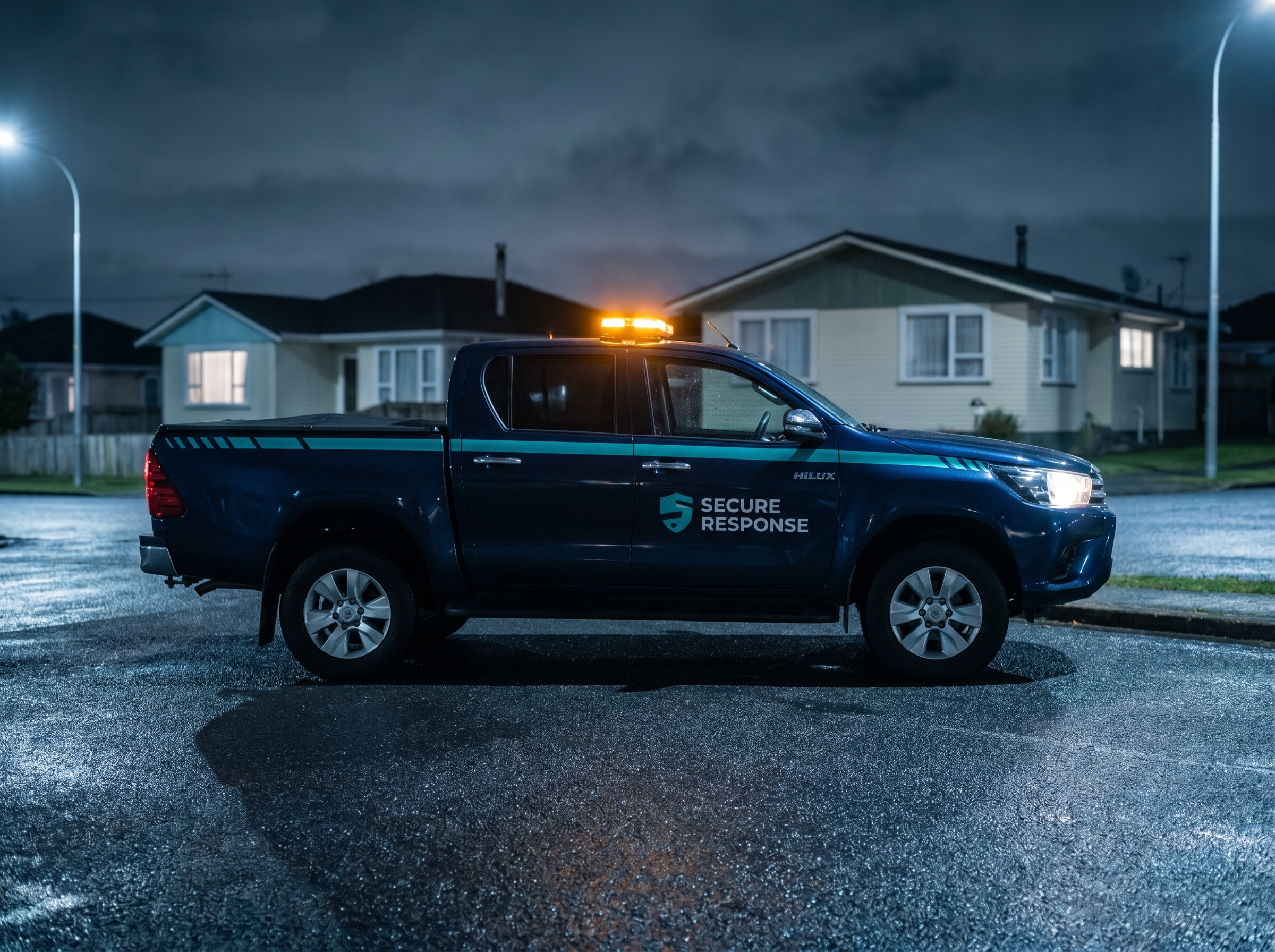
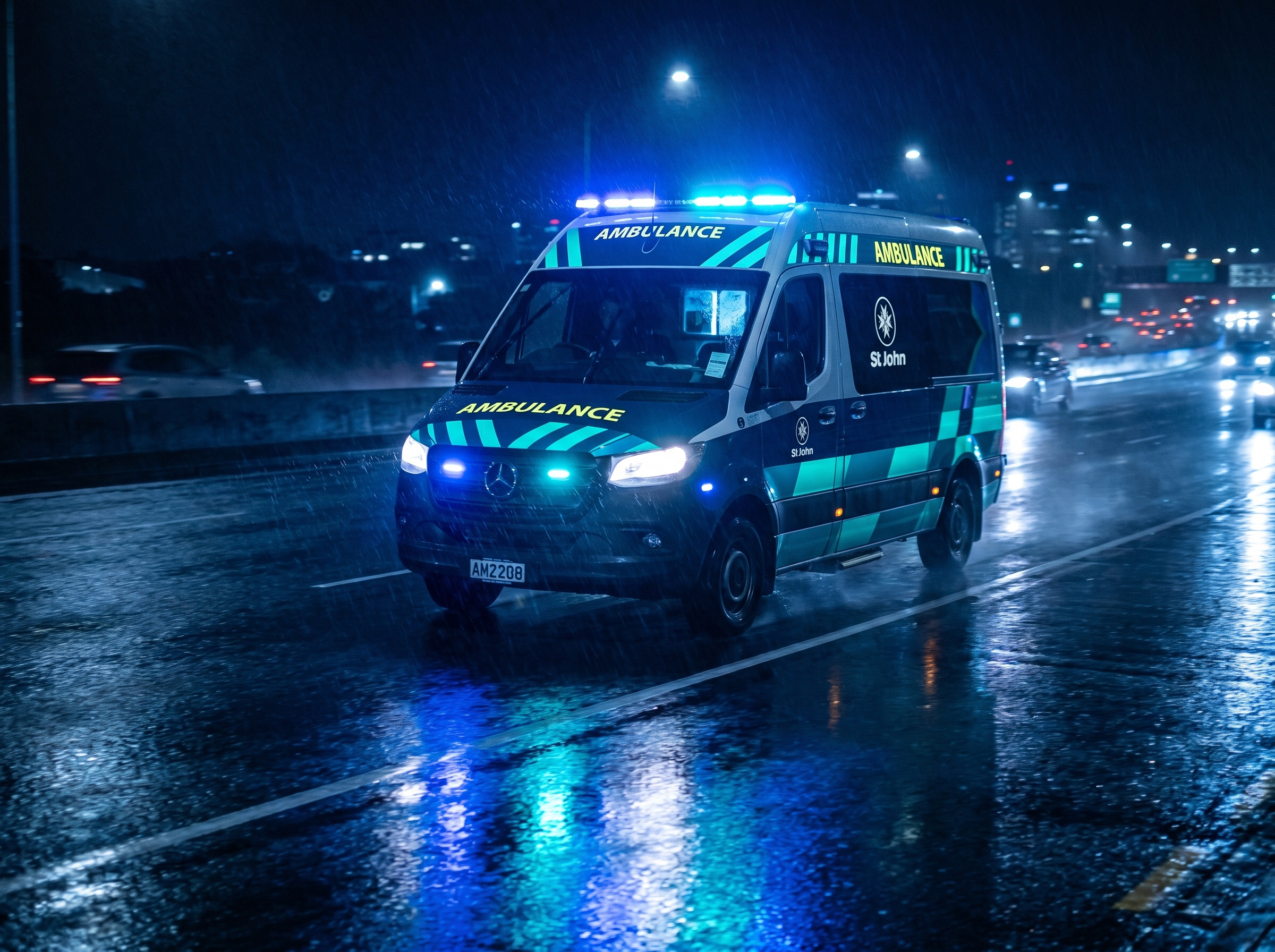
St John NZ deploys ambulances from stations across New Zealand's cities, towns, and rural areas, with response time targets that depend on fleet readiness. Crystal shows which vehicles are available, on a response, or returning to base. Dispatch decisions are made from accurate live data, not radio check-ins. For non-emergency transport on fixed schedules, the same visibility keeps runs on time and reduces coordination load on clinical staff.
Ambulance fleet management
Ambulance Fleet Management
Ambulance fleet management presents a distinct operational profile. St John NZ deploys ambulances from stations across New Zealand's cities, towns, and rural areas. Every second a vehicle spends off the road or held up by an inefficient handover is a second subtracted from response capability. Knowing which ambulances are available, on a response, or returning to station in real time supports faster dispatch and cleaner handover planning between shifts.
Driver safety is acute in ambulance operations. Emergency response driving under blue-light conditions places drivers under significant physiological stress, and the return to base under normal traffic carries its own fatigue risk. Driver safety monitoring captures speeding, harsh braking, and fatigue-related patterns outside emergency response mode.
Research from Frost and Sullivan shows predictive maintenance reduces breakdowns by up to 45%. For ambulance operators, a breakdown en route to a call is an operational failure. Crystal's maintenance alerts flag upcoming service needs before vehicles reach that point.
- Fleet availability in real timeDispatch sees which ambulances are available, on a response, or returning to base. Deployment decisions come from live data, not radio check-ins.
- Driver safety monitoringCapture speeding, harsh braking, and fatigue-related patterns to protect drivers and support HSWA duty of care obligations.
- Predictive maintenance alertsMaintenance alerts flag upcoming service needs before vehicles leave the road. Predictive maintenance reduces breakdowns by up to 45%.
Community health fleet
Community Health Fleet Operations
Community health nursing and mobile health services represent the largest segment of the NZ healthcare fleet by vehicle count. Te Whatu Ora district offices coordinate nurses and allied health workers who visit patients at home, in rest homes, and at remote community clinics. In rural New Zealand, a community health nurse may cover a territory spanning several hundred kilometres per week.
Rural health access is a persistent challenge. Communities in Northland, the West Coast, and rural parts of both islands depend on mobile health workers to reach them. When a nurse's vehicle is delayed or involved in an incident on an isolated road, the consequences for that visit schedule are immediate.
Fleet visibility for community health fleets serves two functions. Operationally, it tells supervisors where their mobile workforce is and whether visits are being completed on schedule. For worker safety, it provides a welfare monitoring layer for staff who work alone in remote areas. Under HSWA, PCBUs must take all reasonably practicable steps to protect workers. For an organisation sending clinical staff into rural communities alone, documented vehicle tracking forms part of that duty of care evidence.
- Lone worker welfare monitoringFleet tracking provides a welfare safety layer for community health nurses working alone in remote rural areas, supporting HSWA duty of care obligations.
- Visit schedule visibilitySupervisors confirm that scheduled visits are being completed and can respond to delays without waiting for nurses to call in.
- Rural connectivity bufferingCrystal devices buffer GPS data and transmit on reconnection, maintaining complete trip records even in low-coverage rural areas.
Fleet compliance NZ
Fleet Compliance
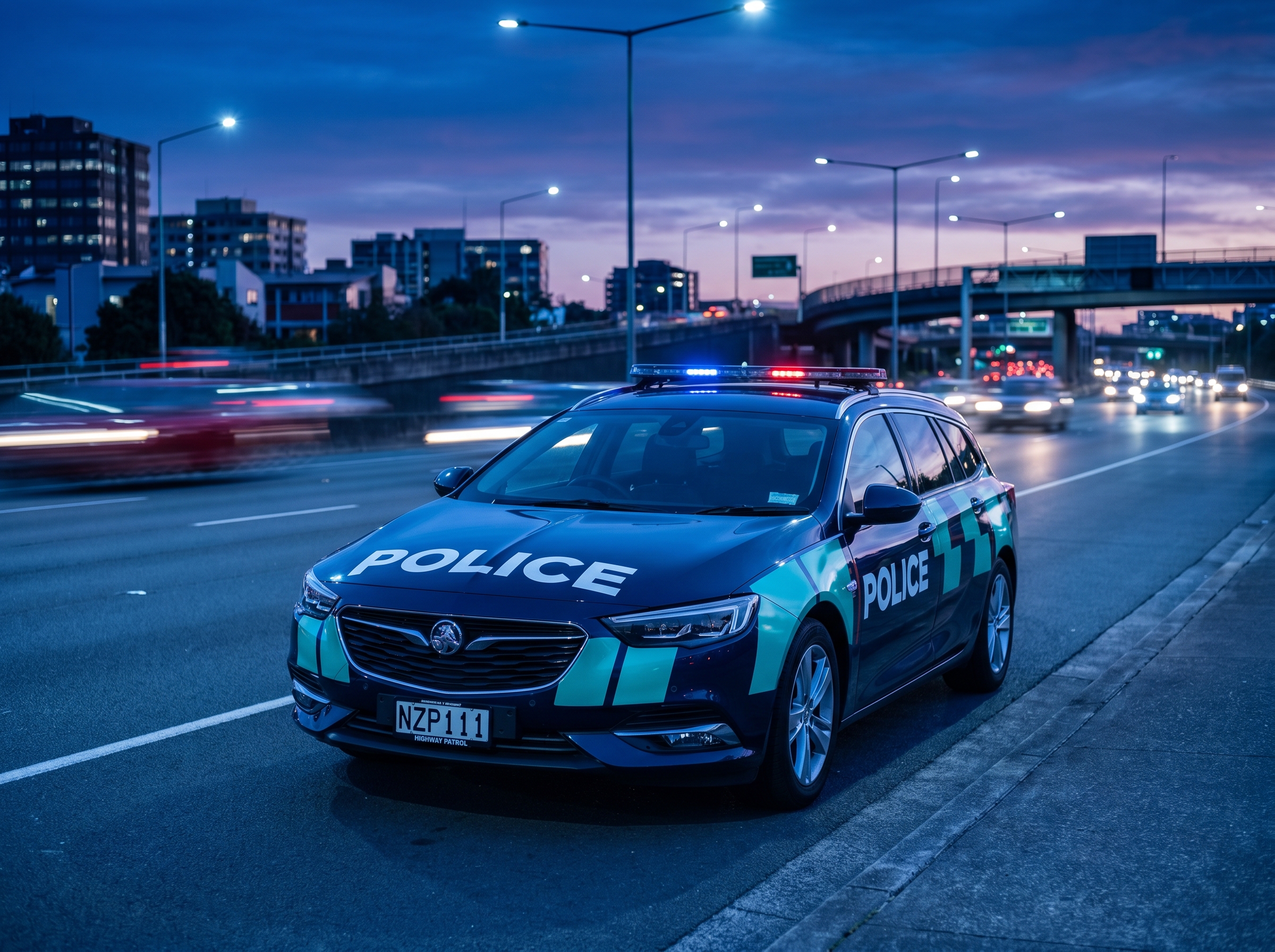
Healthcare fleets carry a compliance workload shaped by both transport regulation and sector-specific obligations. NZTA work time rules apply to drivers of vehicles over 3.5 tonnes GVM, including patient transport vans and larger clinical vehicles. Vehicles requiring a Certificate of Fitness rather than a standard WOF include passenger service vehicles and vehicles over 3.5 tonnes. Fleet managers need to track COF expiry dates across a mixed fleet without relying on manual reminders.
HSWA obligations for PCBUs in healthcare extend to the transport function. WorkSafe NZ has prosecuted organisations where workers were exposed to preventable harm in workplace transport. A documented record of driver monitoring, safety events, and corrective actions is the evidence that demonstrates active management before an investigation begins.
Medical supply vehicles handling temperature-sensitive medications face cold chain requirements alongside standard fleet compliance. Route monitoring confirms deliveries are completed within scheduled time windows. Trip history provides the documented chain of custody that pharmaceutical cold chain governance requires.
- COF and WOF expiry trackingCrystal tracks Certificate of Fitness and Warrant of Fitness expiry dates across your mixed fleet and sends automated alerts before documents lapse.
- HSWA compliance evidenceDocumented driver monitoring, safety events, and corrective actions demonstrate active PCBU management before WorkSafe NZ investigates an incident.
- Cold chain route documentationRoute monitoring and trip history provide the chain of custody records that pharmaceutical cold chain governance requires for medical supply runs.
Fleet management system NZ
Fleet Management System
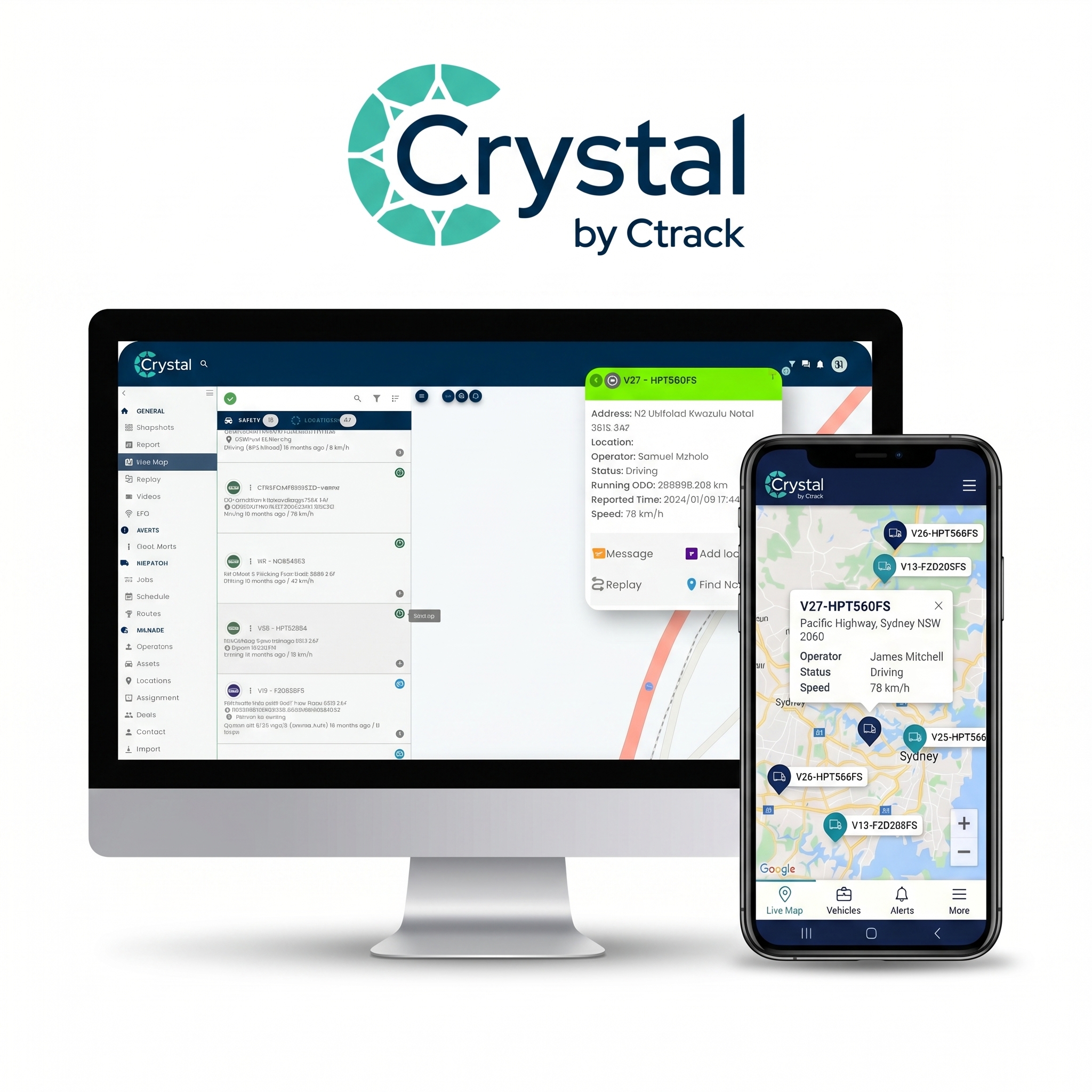
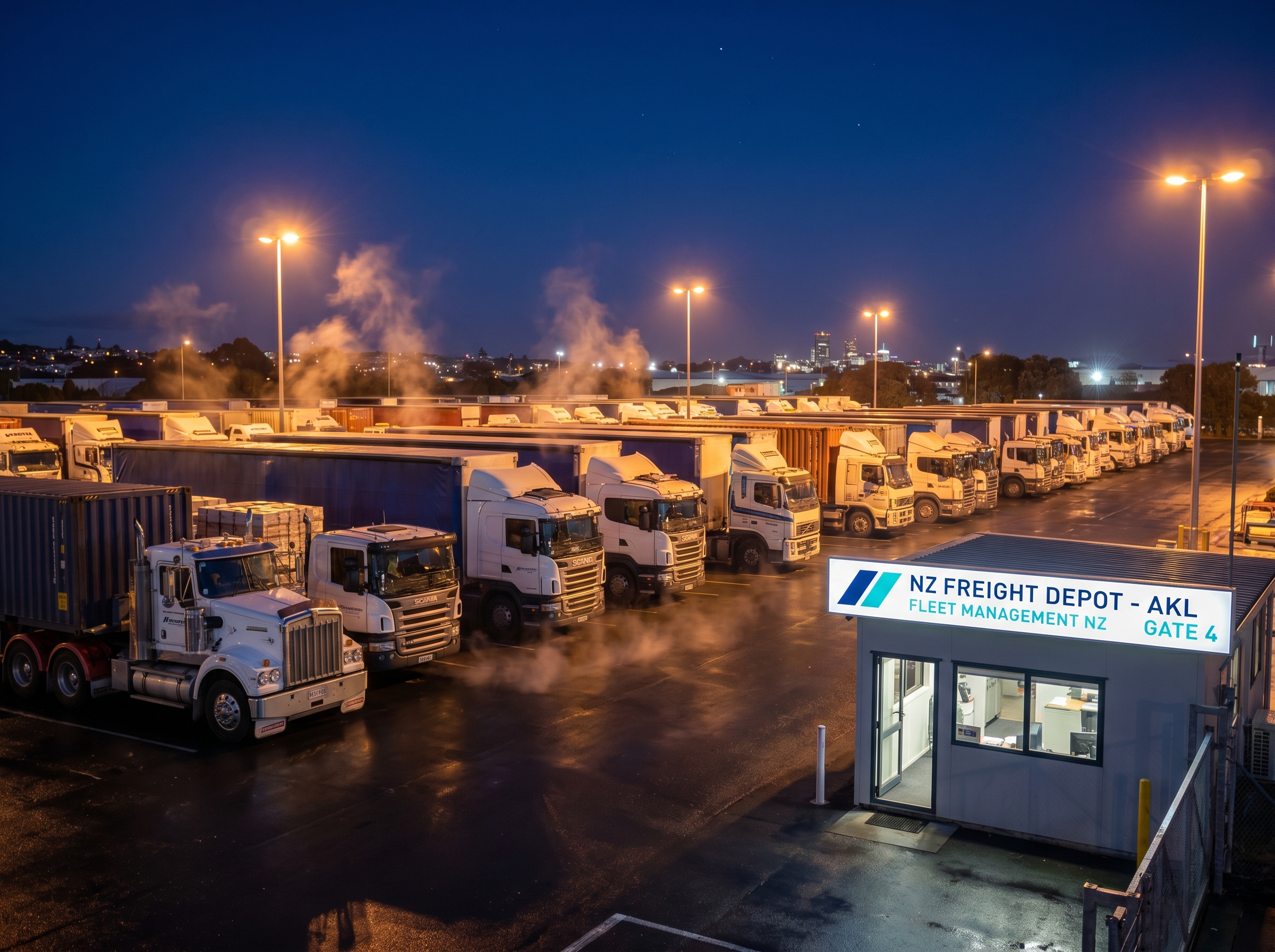
Crystal is a single platform connecting GPS tracking, driver monitoring, compliance records, and reporting. Healthcare organisations do not need a different system for each function.
The platform connects to existing scheduling and workforce management software through REST API. Data flows into clinical rostering and financial tools without manual re-entry. Research from DocuClipper shows automated data handling achieves 99.9% accuracy against 96-99% for manual processes. For public health organisations with strict audit requirements, that difference matters.
Crystal's mobile app gives drivers and clinical staff access to route schedules and incident reporting from a smartphone. Supervisors receive alerts without being tied to a desk. The platform scales from a small community health team with six vehicles to a large district health operation with several hundred. Implementation does not require specialist IT resources. Crystal's team manages deployment, hardware installation, and training across your sites.
- Single integrated platformGPS tracking, driver monitoring, compliance records, and reporting in one system. No separate tools for each function.
- Clinical system integrationREST API connects Crystal to existing scheduling, rostering, and clinical management software without manual data re-entry.
- Scales with your organisationThe platform scales from a six-vehicle community health team to a large Te Whatu Ora district health operation with several hundred vehicles.

Healthcare Fleet Management FAQ
See Crystal working with your healthcare fleet
Book a demo and see how GPS tracking, compliance tools, and reporting map to your ambulance, patient transport, or community health operations.
Book a Healthcare Fleet Demo
See Crystal working with your healthcare fleet. Our NZ team will show you GPS tracking, driver monitoring, compliance tools, and reporting mapped to your operations.
What the demo covers
- Real-time GPS tracking for ambulance, patient transport, and community health vehicles
- Driver safety monitoring and HSWA compliance documentation
- COF and WOF expiry tracking across your mixed fleet
- RUC distance management and automated reporting
- Rural connectivity with offline data buffering