

Emergency Services Fleet Management NZ
Every second between a call and a vehicle on scene carries real consequences. Crystal gives NZ emergency service operations real-time fleet tracking, live video streaming, and driver safety monitoring built for response-critical work.
Trusted by leading New Zealand fleets




40+ years
Fleet management experience
300,000+
Subscriptions worldwide
NZ support
Local team and installation
300%
Average ROI
Frost and Sullivan research shows fleet tracking technology delivers an average 300% return on investment for operations that implement GPS fleet management.
70%
Faster claims processing
Video telematics reduces insurance claim processing time by 70%, protecting emergency services organisations from extended dispute resolution.
63%
Driver exoneration rate
Road-facing cameras exonerate drivers in 63% of claims involving third-party vehicles, critical for crews responding under lights and sirens.
20%
Fatigue-related accidents
Fatigue contributes to roughly 20% of heavy vehicle accidents in New Zealand, a significant risk for crews on extended overnight emergency rosters.
Real-time fleet visibility
Real-Time Fleet Tracking for Emergency Response
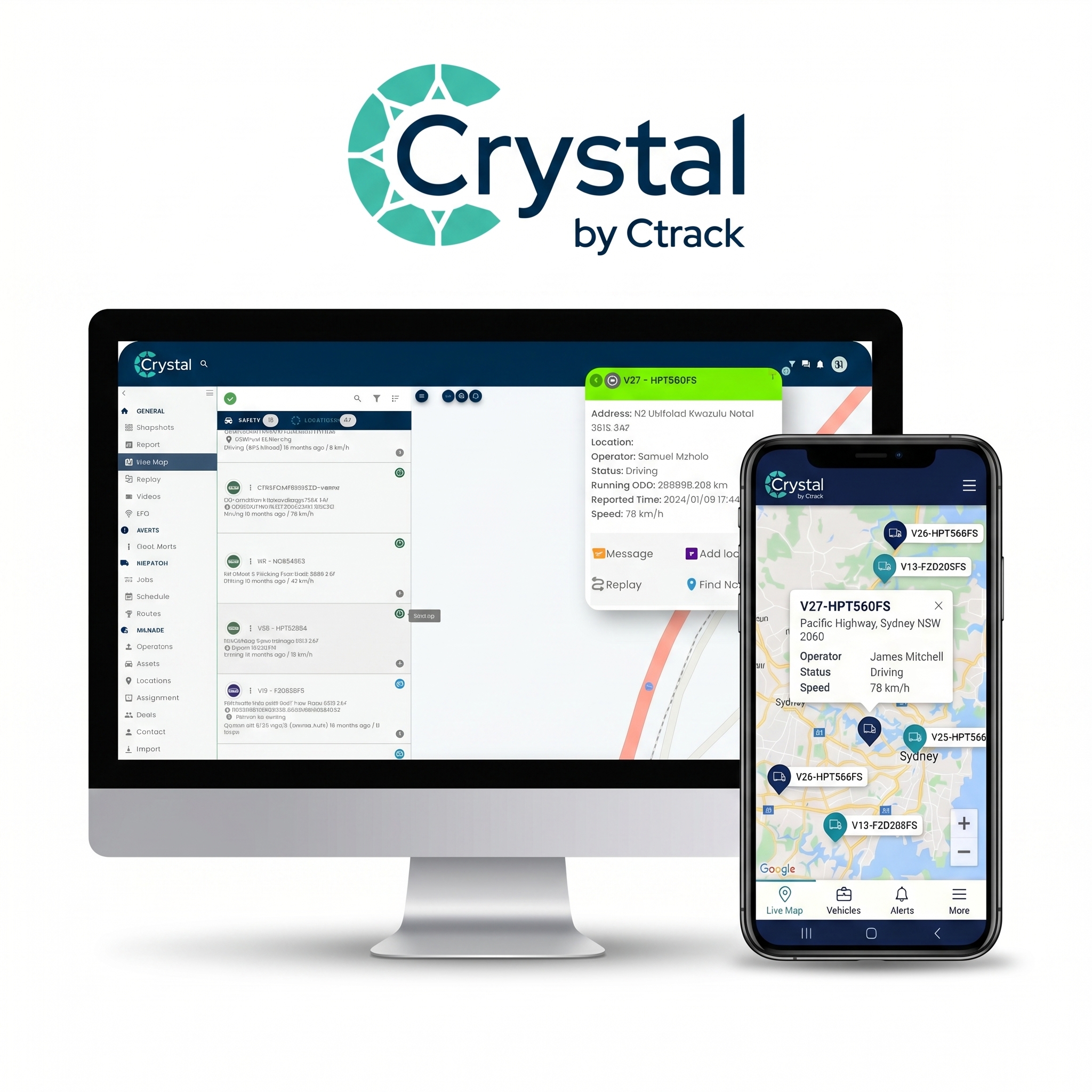
Knowing where every vehicle is at any moment is the foundation of effective emergency fleet management. Crystal's fleet tracking platform updates vehicle locations every 10 to 60 seconds across your entire fleet. Your dispatch team sees ambulances, fire appliances, command vehicles, and support units on a single live map, updated continuously.
For St John NZ coordinators managing ambulance deployment across Auckland, Wellington, and the more dispersed communities of Northland or Southland, that visibility supports faster deployment decisions. When the nearest available unit changes because a crew clears a job, the map reflects that immediately. Dispatch does not need to radio for status.
FENZ stations in rural areas face coverage challenges that urban services do not. A rural volunteer station covering a large geographic area needs to know which appliance is closest to a new incident, particularly when multiple jobs run simultaneously. Real-time GPS tracking gives station and area managers that operational picture without requiring manual check-ins or radio updates from crews in the field.
Trip history and route replay let your operations managers review how vehicles moved during an incident. That data supports post-incident review, training, and future deployment planning. It also provides documented evidence that vehicles were dispatched and moved as directed, which matters in investigations and coronial inquiries.
- Live map updated every 10 to 60 secondsSee every ambulance, fire appliance, and support vehicle on a single map with continuous location updates for faster dispatch decisions.
- Route replay and post-incident reviewTrip history lets operations managers review vehicle movements during any incident to support post-incident review and coronial inquiry preparation.
- Rural coverage across both islandsGPS data buffers locally when coverage drops in remote areas and syncs automatically when signal returns. Complete trip records for rural volunteer stations.
Incident documentation
Live Video Streaming for Incident Documentation
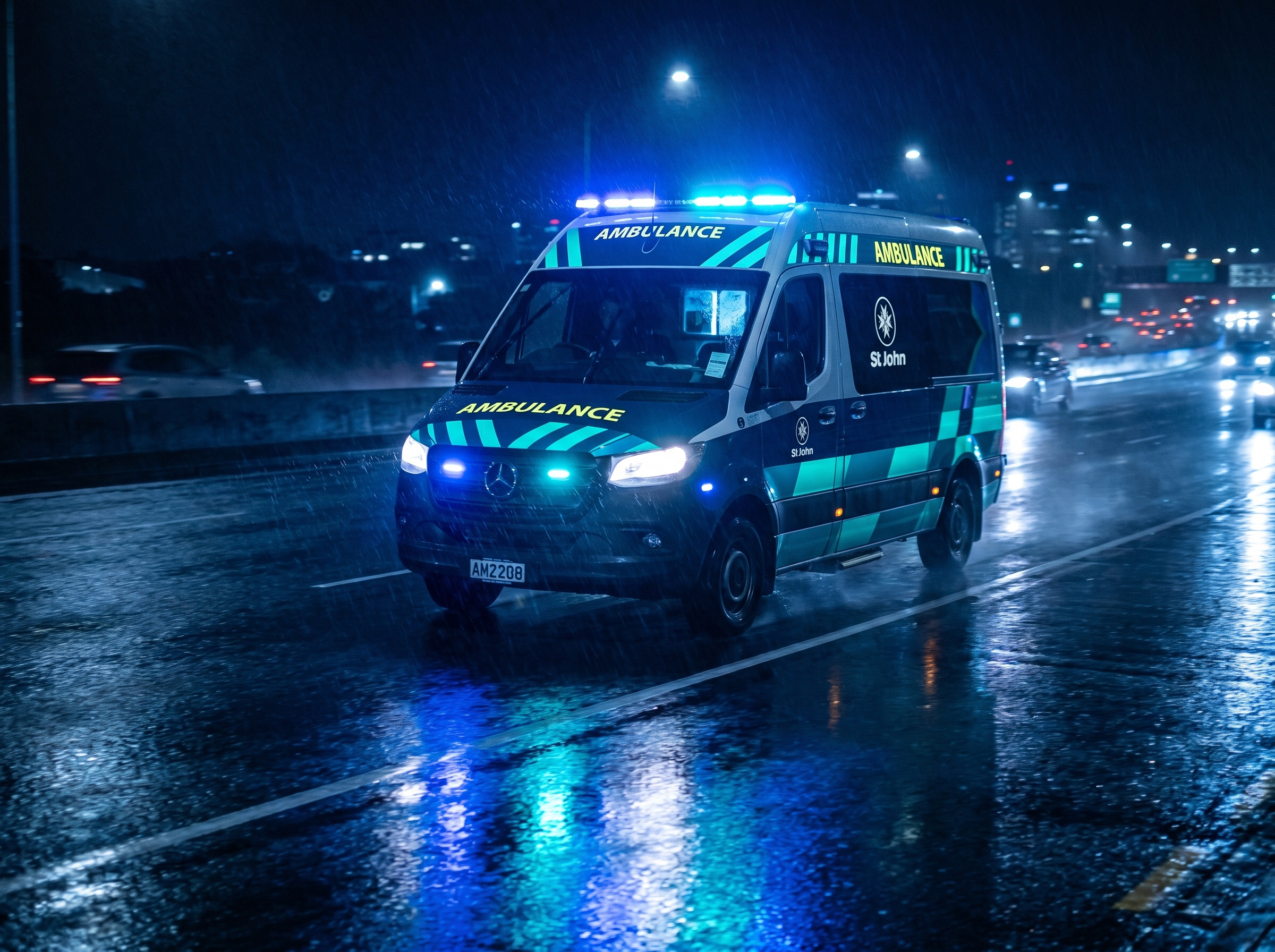
Emergency response incidents generate complex situations where what happened, and when, becomes critical information afterward. Crystal's live streaming capability gives operations and incident command teams direct visibility into what a responding vehicle encounters on the way to and at a scene.
Live video from ambulances gives clinical supervisors the ability to assess a situation before crews arrive. For FENZ incident commanders, a live feed from the first appliance approaching a structural fire or hazmat spill provides situational awareness that radio reports alone cannot match. Incident commanders make better resource deployment decisions when they can see conditions directly.
Video evidence also protects your organisation in ways that matter post-incident. Insurance claims, workplace investigations under HSWA, and coronial inquiries all seek documented evidence of what happened. Continuous recording during responses produces a time-stamped, GPS-located record. Research confirms video telematics reduces claim processing time by 70%. For Wellington region operations, earthquake preparedness requirements create additional documentation needs that continuous recording directly supports.
- Live feed for incident commandersFENZ incident commanders see structural and hazard conditions from the first appliance approaching the scene, enabling better resource deployment decisions.
- Time-stamped video for investigationsContinuous recording produces a GPS-located, time-stamped record ready for HSWA investigations, coronial inquiries, and insurance claim resolution.
- Third-party collision evidenceRoad-facing cameras exonerate drivers in 63% of claims where emergency vehicles are involved in collisions with third-party road users.
HSWA compliance
Emergency Services PCBUs Carry an Active Duty of Care Under HSWA
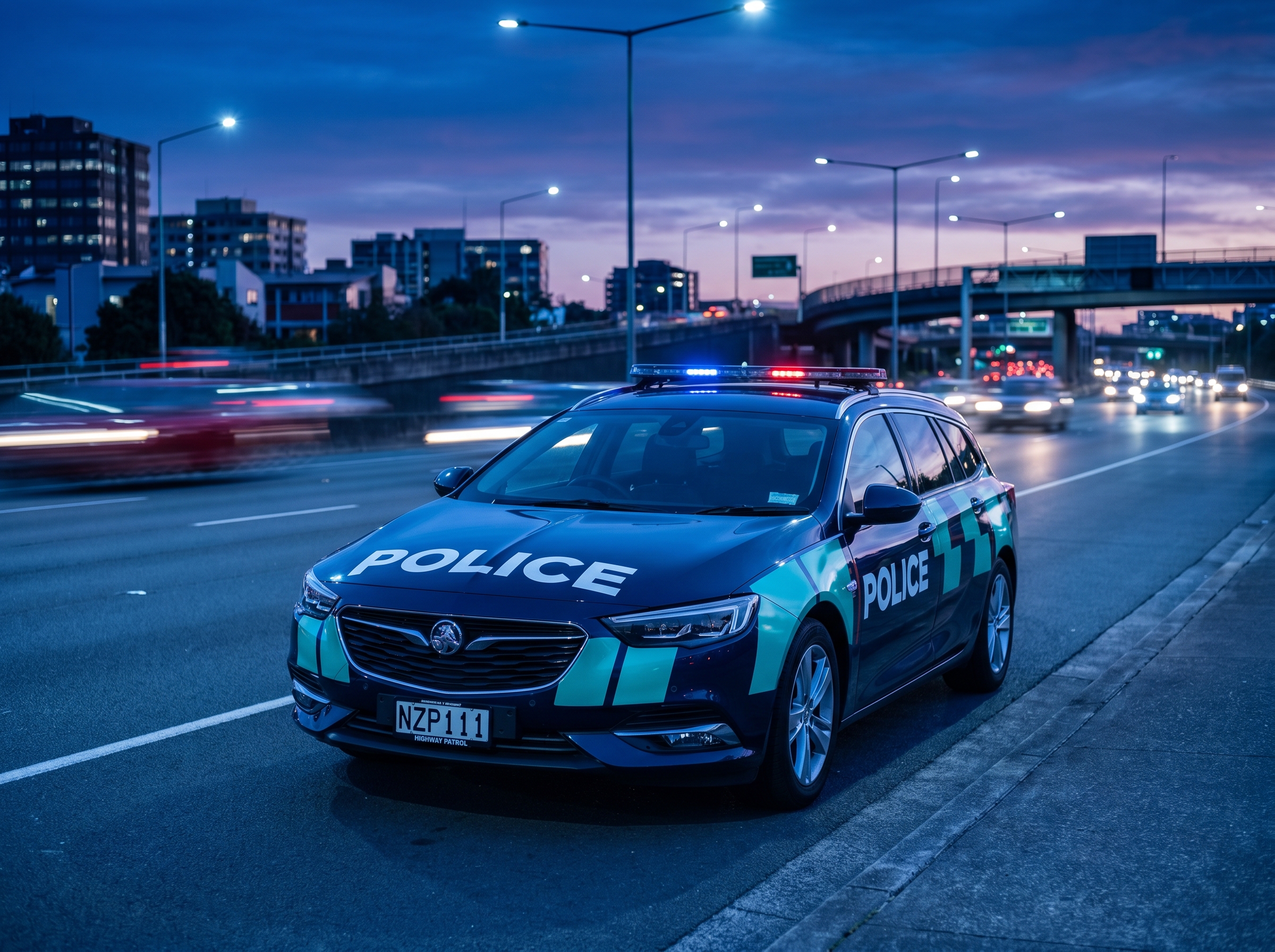
Under the Health and Safety at Work Act 2015, emergency services organisations as PCBUs must take all reasonably practicable steps to ensure the safety of workers during transport operations. WorkSafe NZ investigates incidents involving emergency vehicles. Category 1 offences for reckless conduct that exposes workers to serious harm carry penalties of up to $3 million for corporations. A documented record of driver monitoring, coaching interventions, and corrective actions demonstrates active safety management before investigators request it.
Crew safety monitoring
Driver Safety for Emergency Services Vehicles
Emergency driving is among the highest-risk driving environments. Crews respond at speed, often in adverse weather, through traffic that does not always clear a path. Fatigue is a persistent factor for crews completing long shifts or overnight rosters. The pressure to reach a scene fast creates driver behaviour risk that does not disappear because the cause is urgent.
Crystal's driver safety monitoring captures the behaviours that create risk: harsh braking, rapid acceleration, cornering forces, and speed events. Every incident is logged with timestamp, location, and severity. Your supervisors review events through the Crystal dashboard and address patterns with crews directly.
Crystal tracks driving hours against Land Transport Act work time rules and flags drivers approaching limits before a decision needs to be made about continuing a shift. Driver approval rates increase significantly when monitoring systems are used for protection rather than punishment. Crews whose cameras captured a third-party collision that was not their fault understand the value directly. Data that exonerates a crew member is at least as valuable as data that identifies a genuine behaviour concern.
- Behaviour monitoring for every responseHarsh braking, rapid acceleration, cornering forces, and speed events logged with timestamp and location for same-shift supervisor review.
- Fatigue management and work-time trackingCrystal tracks driving hours against Land Transport Act limits and flags crews approaching thresholds before shift continuation decisions are needed.
- HSWA due diligence documentationEvery coaching intervention and corrective action is logged automatically. The evidence WorkSafe NZ expects is generated without manual record-keeping.
See Crystal working with your emergency services fleet
Live tracking, video streaming, driver safety monitoring, and HSWA compliance tools mapped to your ambulance or fire service fleet.
Dispatch coordination
Fleet Visibility for Dispatch Coordination
Effective dispatch coordination depends on knowing the actual status of every vehicle, not what a roster assumes. Crystal's fleet visibility dashboard gives dispatch teams live operational status across the whole fleet: location, movement state, estimated clearance time based on current activity, and any active maintenance flags.
St John NZ ambulance operations coordinate across multiple divisions, each covering distinct geographic areas. A visibility dashboard that shows all units across a region, including mutual-aid resources from adjacent areas, allows dispatch coordinators to make deployment decisions based on operational reality rather than scheduled availability.
For FENZ, fleet visibility across appliance types matters. A structural fire may need a pumper, a ladder platform, and a breathing apparatus tender. Knowing where each is, and whether each is currently deployed or available, determines the speed of second and third response unit dispatch.
Fleet management software improves vehicle utilisation by an average of 17%. Certificate of Fitness expiry alerts prevent ambulances and fire appliances from being put into service with lapsed inspection certification. One vehicle off-road unexpectedly narrows your coverage window.
- Live operational status for all unitsLocation, movement state, and clearance time for every vehicle across your region on one dispatch dashboard, including mutual-aid units.
- COF expiry alertsAutomated Certificate of Fitness expiry alerts prevent ambulances and fire appliances from entering service with lapsed inspection certification.
- Appliance-type visibility for multi-resource dispatchSee pumpers, ladder platforms, and breathing apparatus tenders separately so second and third response unit dispatch is based on what is actually available.
Fleet compliance
Fleet Compliance for Emergency Services Fleets
Emergency services vehicles carry a compliance workload alongside their operational demands. Ambulances and fire appliances are heavy vehicles requiring COF certification rather than standard WOF. Drivers of passenger service vehicles and heavy appliances require appropriate licence class and endorsements. NZTA Transport Service Licence conditions apply to organisations operating commercial passenger services.
Crystal's fleet compliance tools centralise the records that NZTA, WorkSafe NZ, and internal audit processes require. COF expiry dates, driver endorsement records, and vehicle inspection history are visible from a single dashboard. Automated alerts notify your fleet managers before compliance documents lapse. No vehicle goes into service with expired certification because an alert was missed.
HSWA obligations for emergency services PCBUs extend to route safety, vehicle load security for medical equipment and firefighting gear, driver fatigue management, and speed compliance during emergency responses. Crystal's compliance records provide the documented audit trail that demonstrates these obligations are being actively managed. Under HSWA, corporations face penalties of up to $3 million for Category 1 offences. Fleet documentation is the evidence that an organisation took all reasonably practicable steps.
- Centralised COF and endorsement trackingCOF expiry dates, driver licence endorsements, and inspection history in a single audit-ready dashboard with automated alerts before documents lapse.
- NZTA work-time compliance recordsNZ Transport Act work time rules limit driving hours to 13 hours in any 24-hour period. Crystal tracks hours automatically and flags drivers approaching limits.
- HSWA audit trail for all fleet eventsIncident records, coaching interventions, maintenance history, and compliance events in one platform. The evidence base your PCBU obligations require.

Emergency Services Fleet Management FAQ
Practical answers for fleet managers at ambulance services and fire brigades evaluating GPS tracking, live streaming, and driver safety tools.
Book an emergency services fleet demo
See how Crystal supports St John NZ and FENZ operations with live tracking, video streaming, driver safety monitoring, and compliance tools.
What the demo covers
- See live fleet tracking and dispatch coordination applied to your ambulance or fire service fleet
- Review driver safety, video streaming, and HSWA compliance tools built for response-critical operations
- Get a tailored quote for your emergency services fleet size and operational requirements