

Cold Chain Monitoring NZ
New Zealand's export reputation rests on cold chain integrity. Ctrack gives refrigerated transport operators and food exporters GPS fleet tracking, temperature monitoring alerts, and MPI-ready documentation from farm to port. When your product moves from Waikato processing plants to the Port of Tauranga, every temperature record and vehicle record must be unimpeachable.
Trusted by leading NZ fleet operators




300,000+
Subscriptions worldwide
40+ years
Fleet management experience
NZ support
Local team and installation
NZ$20B
Annual food exports
New Zealand exports roughly NZ$20 billion in food products each year, making cold chain compliance a national economic priority for dairy, meat, and produce operators
300%
Average tracking ROI
Frost and Sullivan research shows fleet tracking delivers 300% return on investment, with most operators recovering implementation costs within three months
7%
Fuel wasted in idle
Non-productive idling wastes around 7% of total fuel consumption across commercial fleets. Across a 40-vehicle refrigerated fleet that is NZ$33,600 per year in idle waste alone
20%
Accidents from fatigue
Fatigue contributes to approximately 20% of heavy vehicle accidents across Australasia. Refrigerated transport drivers working night runs face elevated fatigue risk
Cold chain compliance NZ
Cold Chain Compliance for NZ Food Exporters
New Zealand exports roughly NZ$20 billion in food products each year. Fonterra handles around 30 percent of global dairy trade and coordinates milk collection from thousands of farms across Waikato, Canterbury, Southland, and Taranaki. Zespri ships kiwifruit to more than 50 countries from Bay of Plenty packhouses. Alliance Group and AFFCO move chilled and frozen meat from North and South Island processing plants through port facilities to buyers in China, the European Union, and the United States.
Each export market runs its own compliance requirements. The EU Food Safety Authority requires documented temperature logs throughout the cold chain for dairy, meat, and seafood imports. China's GACC registration process for NZ food exporters includes inspection of temperature management records. US FDA requirements for imported food include traceability and cold chain documentation that paper driver logs cannot reliably provide.
MPI oversees food safety within New Zealand and sets the compliance framework connecting domestic cold chain management to export certification. Under the Animal Products Act and the Food Act, operators must maintain documented evidence that temperature-sensitive products stayed within specified ranges from point of origin through to export. Fleet tracking data and integrated temperature sensor records produce that documentation automatically.
- MPI-compliant temperature recordsAutomated fleet tracking and sensor data produce the documentation MPI requires under the Animal Products Act and Food Act without manual compilation.
- Export documentation for EU, China, and USTimestamped cold chain records satisfy EU Food Safety Authority, GACC, and FDA traceability requirements that paper driver logs cannot reliably meet.
- Audit-ready cold chain logsEvery temperature reading and vehicle movement is recorded automatically. When an MPI inspector requests documentation, you run the report rather than reconstructing a timeline.
Temperature monitoring refrigerated transport
Temperature Monitoring for Refrigerated Transport
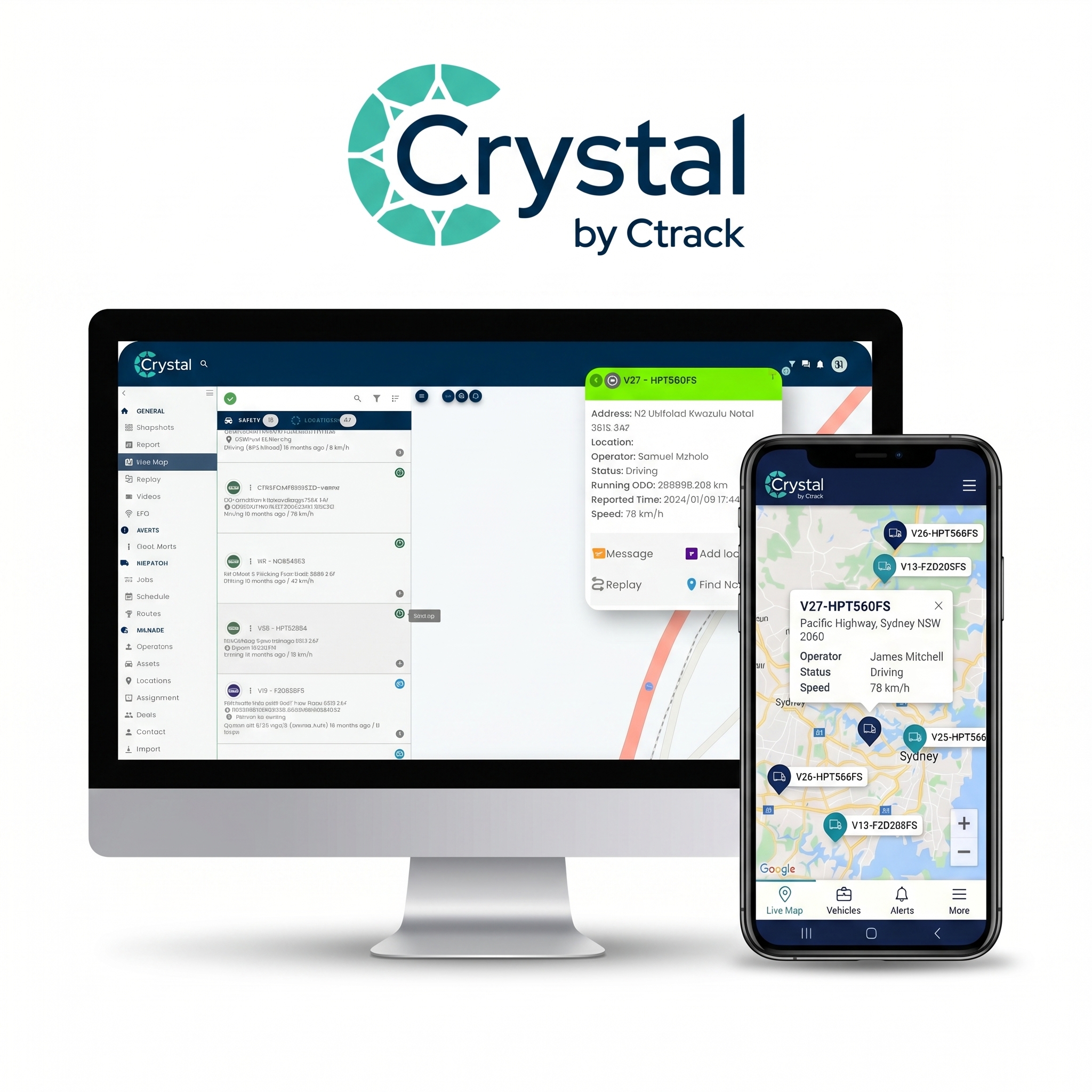
A cold chain breaks where you cannot see it. That is usually in the vehicle: the reefer unit that lost its set point during a long idle at the port, the door held open too long during a multi-drop delivery in Auckland, the sensor that flagged a fault at 2am while the operations manager was offline.
Integrated temperature monitoring connects refrigeration unit sensor data to your fleet tracking platform. When a reading leaves the acceptable range, an alert fires automatically. You know immediately, not after the load arrives at destination. The response is faster because you can contact the driver with the vehicle's exact GPS location and the specific time the excursion started.
For fleet managers running refrigerated vehicles between Canterbury processing plants and Christchurch Airport, or between Waikato dairy sites and Auckland Port, real-time alerts replace phone call chains. The sensor record timestamps the excursion. The GPS record shows exactly where the vehicle was when it happened. That dual record supports MPI audit responses, customer disputes, and insurance claims with precise, exportable detail.
- Real-time temperature excursion alertsAlerts fire the moment a temperature reading leaves the acceptable range. You know where the vehicle is and when the excursion started before the load reaches destination.
- GPS and sensor dual recordEvery temperature reading is paired with the vehicle's GPS position at that moment. The combined record supports MPI audits, customer disputes, and insurance claims.
- Reefer unit sensor integrationCrystal integrates with third-party temperature sensors and refrigeration unit data feeds. Temperature and location data appear in the same platform, not separate tools.
Fuel waste cold chain fleets
Idle Waste Costs Refrigerated Fleets More Than You Track
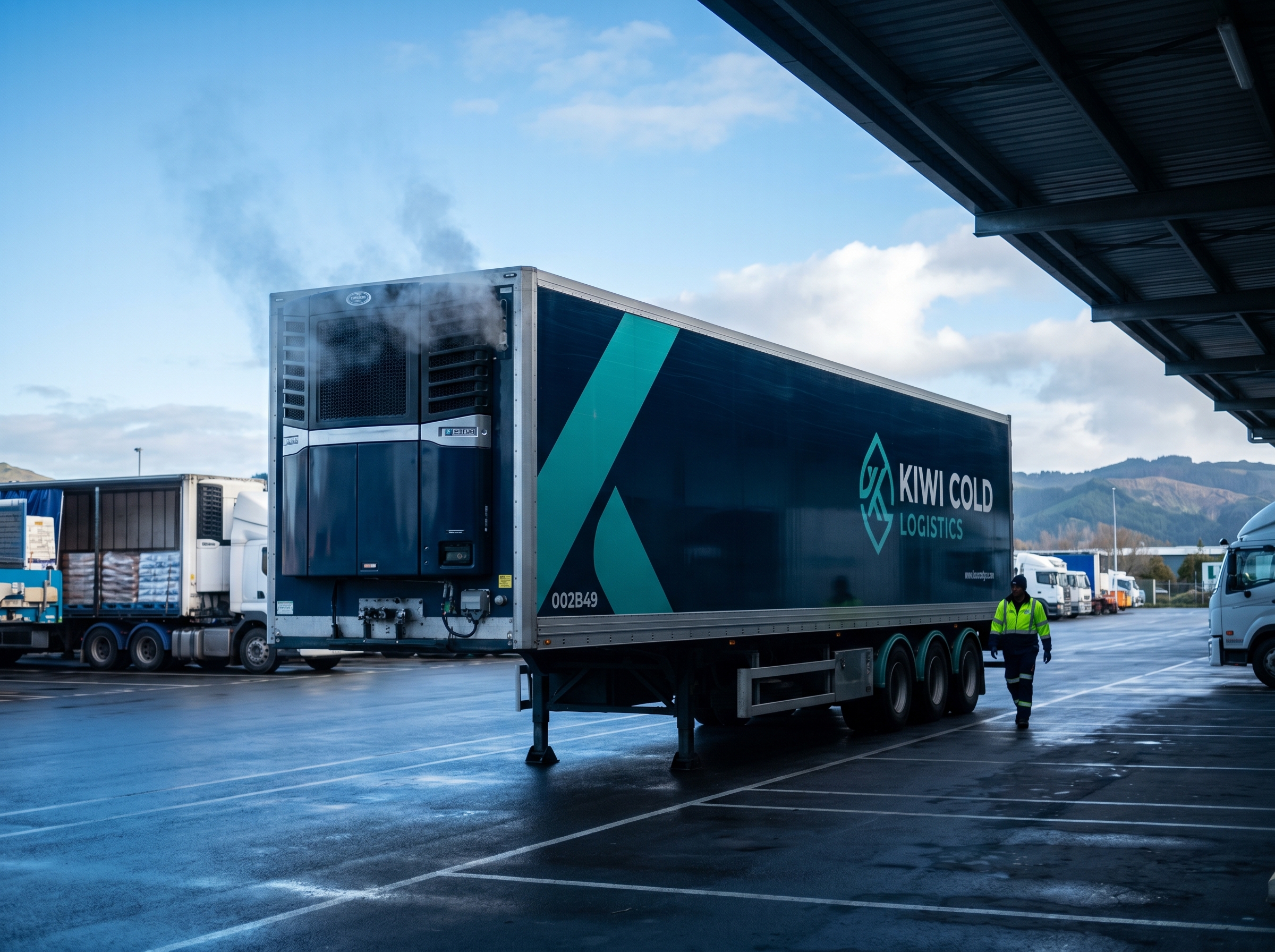
Non-productive idling wastes around 7% of total fuel consumption across commercial fleets. For a refrigerated truck running 250 days a year with an annual fuel cost of NZ$12,000, that is NZ$840 per vehicle in idle waste. Across a 40-vehicle cold chain fleet, idle waste alone costs NZ$33,600 per year before addressing route inefficiency. Fuel management tools show you which vehicles idle most, where they idle, and for how long.
GPS fleet tracking cold chain NZ
Fleet Tracking Across the NZ Cold Chain
Cold chain logistics in New Zealand covers long distances across variable terrain and mixed weather. A Zespri kiwifruit load leaving Tauranga packhouses needs to reach a refrigerated container ship on schedule and at temperature. A chilled lamb consignment from an Alliance Group facility in Invercargill moves north on SH1 through Dunedin and Timaru before reaching the Port of Lyttelton. These runs involve multiple hours, night driving, and genuine fatigue risk on roads that see real weather events.
Fleet tracking gives cold chain operators real-time GPS visibility for every vehicle in the operation. You see where each vehicle is right now, where it has been, and how long it spent at each stop. Route adherence reports flag deviations from approved routes. Geofence alerts confirm when a vehicle arrives at a loading dock, port gate, or coolstore.
Research from Frost and Sullivan shows fleet tracking delivers an average 300% return on investment. For refrigerated transport operators managing high-value loads and narrow delivery windows, the ROI case extends beyond operational efficiency: failed deliveries and MPI compliance breaches carry costs that far exceed a tracking system subscription.
- Real-time GPS visibility across NZSee where every refrigerated vehicle is right now, where it has been, and how long it spent at each stop from Invercargill to Tauranga.
- Route adherence reportsFlag deviations from approved routes. Know when a driver takes a longer path than the job sheet logs and where it happened.
- Geofence arrival confirmationAutomatic alerts confirm when vehicles arrive at loading docks, port gates, and coolstores, replacing phone check-ins with timestamped GPS records.
Food safety fleet reporting NZ
Food Safety Visibility from Farm to Port
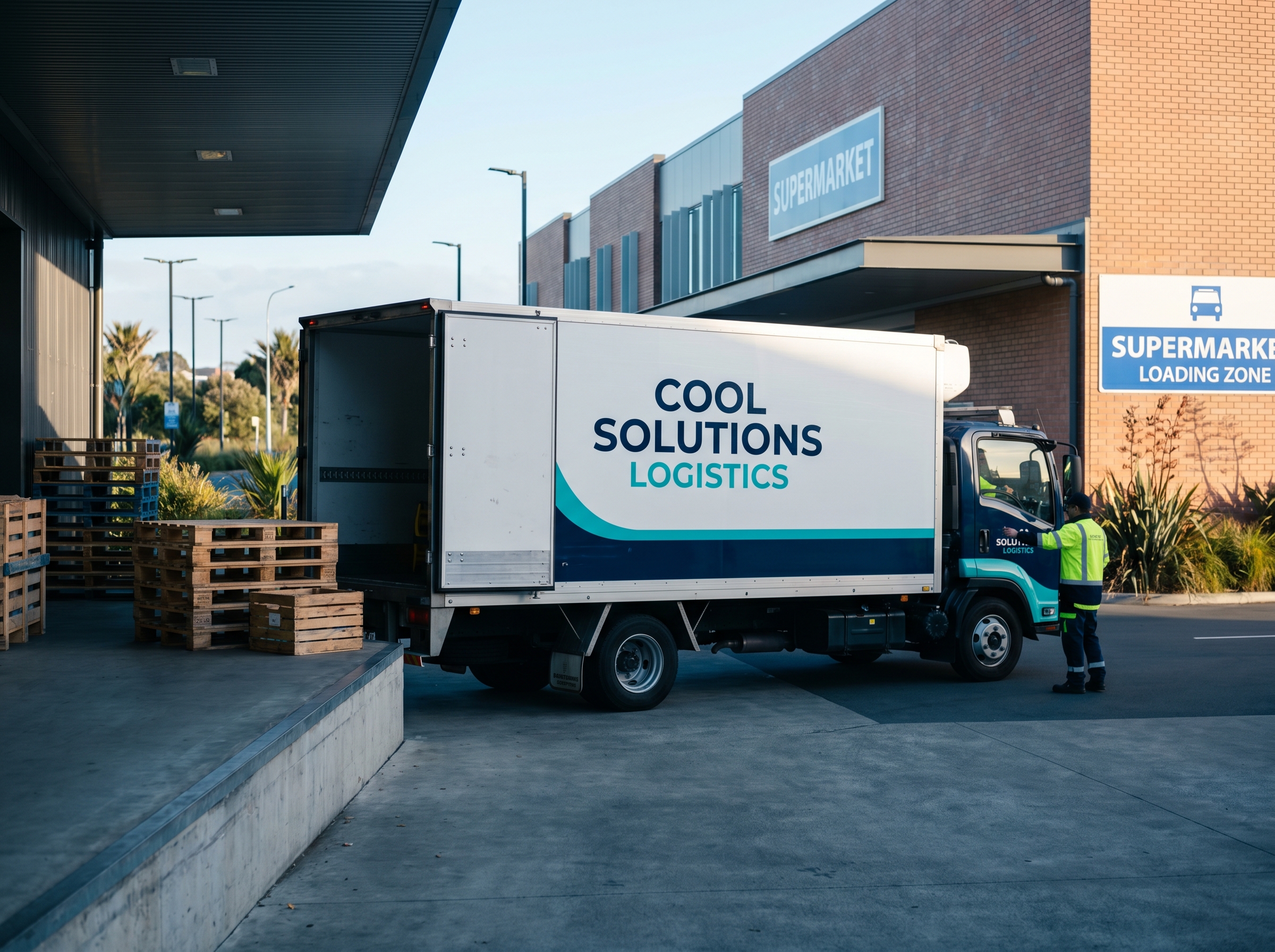
MPI food safety requirements sit at the intersection of your cold chain and your transport operation. Under HSWA, your organisation carries PCBU obligations covering worker safety in transport. Under the Animal Products Act and Food Act, you carry product safety obligations requiring documented temperature compliance. Both frameworks generate paperwork when managed manually.
Fleet reporting automates the records both systems need. Trip logs capture route, timing, and driver identity for every vehicle movement. Temperature excursion reports pull from sensor data to show every period where readings went outside the specified range. Scheduled reports reach operations managers and quality assurance staff the same day a run completes. When an MPI inspector or an overseas buyer requests documentation for a specific load movement, you run the report rather than reconstructing a timeline from driver logs and phone records.
NZTA work time rules apply to drivers of vehicles over 3.5 tonnes GVM. Refrigerated trucks carrying dairy, meat, and produce typically exceed that threshold. Your drivers must stay within 13 hours of driving per 24-hour period and take breaks at required intervals. Automated tracking of driving hours against NZTA limits gives your operations managers early warning when a driver approaches a rest obligation.
- Automated MPI documentationTrip logs, temperature excursion reports, and driver records run automatically. Produce audit-ready documentation on demand for MPI inspectors and overseas buyers.
- Temperature excursion reportingReports show every period where temperature readings went outside the specified range, with the vehicle's GPS position at each point in time.
- Road User Charges and RUC managementGPS distance records support accurate RUC licence management. For vehicles operating on meatworks access or port landside roads, GPS evidence supports off-road refund claims.
Crystal cold chain fleet management
Cold Chain Fleet Management with Crystal
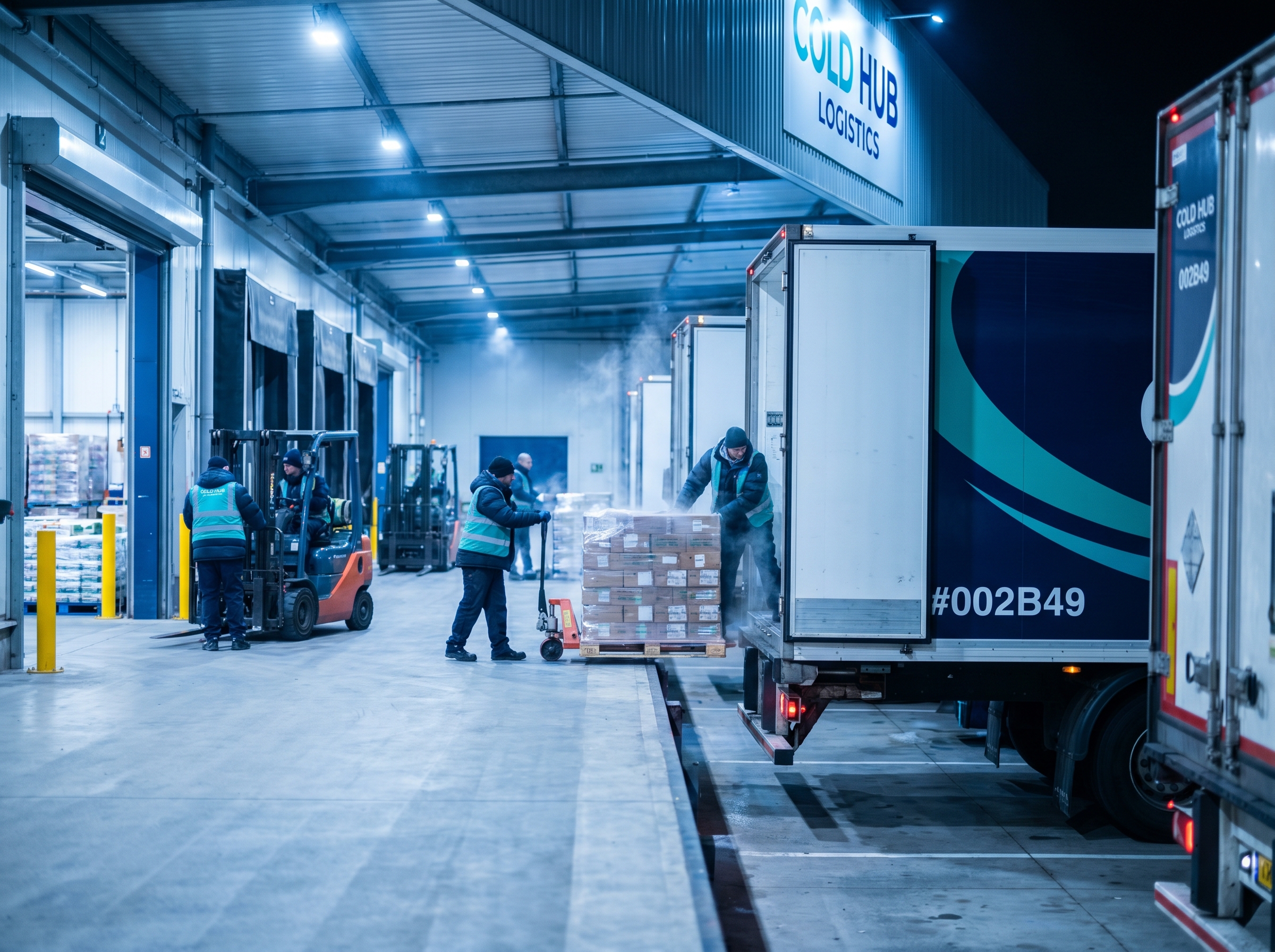
Ctrack's Crystal platform connects GPS fleet tracking, driver monitoring, temperature sensor data, and automated reporting in one system. You are not switching between a separate temperature management tool and a fleet tracking dashboard. The data sits in one place and the records it produces are consistent, timestamped, and exportable.
Crystal continues recording when vehicles operate in areas with limited mobile coverage. Rural sections of South Island highways, port zones, and meat processing facilities in low-density areas do not always have reliable connectivity. Device-level data buffering stores movement and sensor readings locally and uploads when coverage returns. You do not lose visibility of vehicles operating in remote zones for hours at a time.
Driver safety matters on cold chain routes. Refrigerated transport drivers work unsociable hours on night runs to Auckland port and pre-dawn departures from Invercargill. Fatigue contributes to around 20% of heavy vehicle accidents across Australasia. Research from FMCSA and VTTI shows video coaching reduces safety events by 52%. Fleet analytics delivers automated reports on vehicle utilisation, fuel consumption, driver behaviour, and compliance exceptions, saving fleet managers 5 to 10 hours weekly compared to manual record-keeping.
- Integrated platform for cold chainGPS tracking, temperature monitoring, driver behaviour, and compliance records in Crystal's single dashboard. No separate tools, no manual data reconciliation.
- Driver safety on remote NZ routesWork time monitoring alerts operations managers before NZTA rest obligation breaches occur. Video coaching reduces safety events by 52% according to FMCSA and VTTI research.
- Offline data bufferingCrystal records movement and sensor readings locally when mobile coverage is limited in rural South Island zones and uploads automatically when connectivity returns.

Cold Chain Monitoring NZ Questions
See how Ctrack supports NZ cold chain operations
Book a demo and see Crystal working with your refrigerated fleet data. Or explore all industries Ctrack serves across New Zealand.
Book a Cold Chain Fleet Demo
See Crystal working with your refrigerated transport fleet. Our NZ team will show you GPS tracking, temperature monitoring, MPI compliance documentation, and NZTA work time management mapped to your cold chain operation.
What the demo covers
- Real-time GPS tracking for your entire refrigerated fleet
- Temperature monitoring alerts and MPI-compliant cold chain records
- Automated fleet reporting for food safety audits
- NZTA work time compliance and Road User Charges management
- Full HSWA due diligence records for your transport operation