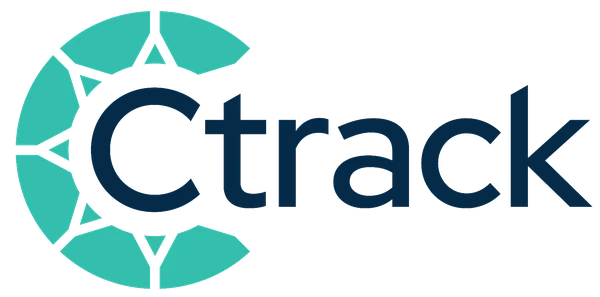

What Is Telematics?
Telematics combines telecommunications and vehicle data to monitor, track, and transmit real-time information from vehicles to a central platform. For fleet managers, telematics means connected devices in every vehicle delivering location, speed, engine health, driver behaviour, and fuel data through a dashboard you can access from anywhere.
How telematics works
How Telematics Works
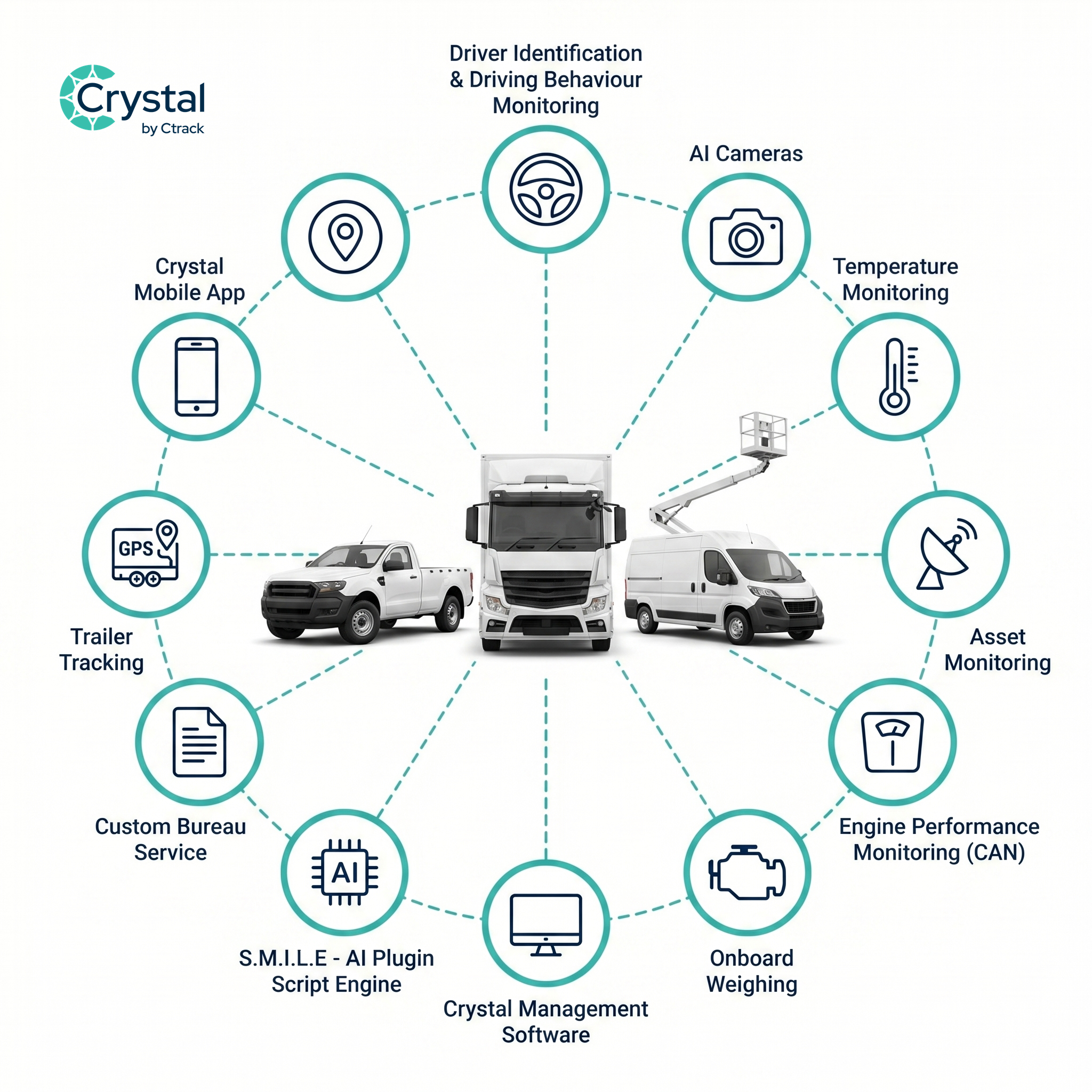
A telematics system has three core components working together. An in-vehicle GPS device connects to the vehicle via the OBD-II port, CAN bus, or a hardwired harness, capturing location, speed, and engine data continuously while the vehicle operates. Data transmits via 4G/LTE cellular every 10 to 60 seconds to a cloud platform, with additional event-triggered updates for speeding, harsh braking, or geofence crossings. Your fleet management software receives, processes, and displays that data through dashboards, alerts, and reports accessible from any web browser or mobile app.
- In-vehicle GPS deviceConnects via OBD-II port, CAN bus, or hardwired harness. Captures location, speed, and engine data from the vehicle's sensors continuously while operating.
- 4G/LTE cellular networkTransmits data every 10 to 60 seconds to a cloud platform. Satellite communication extends coverage to remote areas where cellular is unavailable.
- Fleet management softwareReceives and displays data through dashboards, alerts, and reports. Accessible from any web browser or mobile app, from anywhere, at any time.
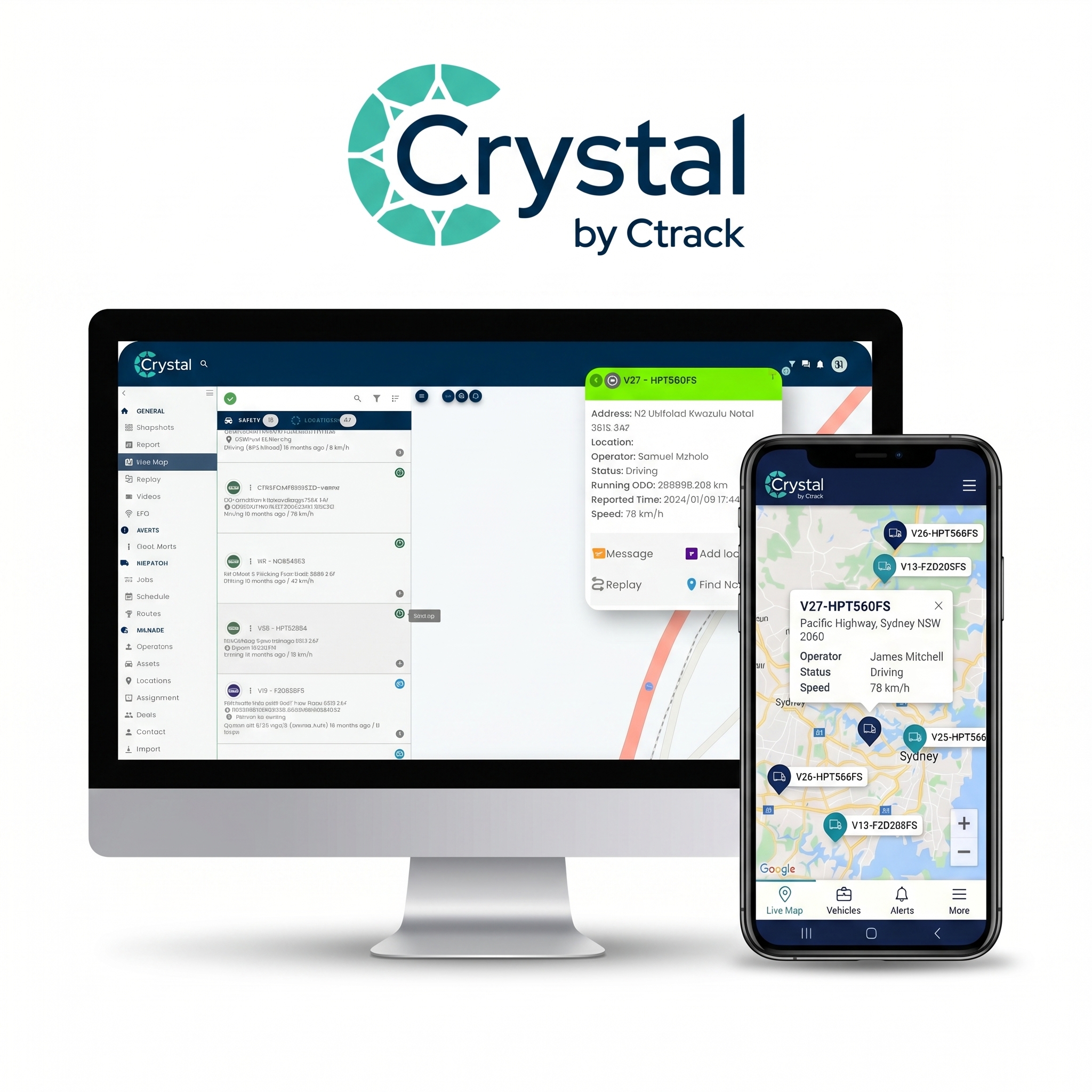
Telematics data
What Data Does Telematics Collect?
Modern telematics systems gather a wide range of information from each vehicle. Location and route history show GPS position, trip start and end points, and full route replay. Speed data records current speed, time over posted limits, and posted-limit compliance rates. Driver behaviour monitoring captures harsh acceleration, harsh braking, cornering events, and seatbelt use per trip and per driver. Engine diagnostics pull fault codes, battery voltage, engine temperature, and odometer readings. Non-productive idling wastes around 7% of total fleet fuel consumption — for a 50-vehicle operation, that is a significant annual cost telematics helps you identify and reduce.
- Location, speed, and routesReal-time GPS position, full trip history and route replay, speed compliance rates, and time spent at each location.
- Driver behaviour eventsHarsh acceleration, harsh braking, cornering events, and seatbelt use logged per trip and per driver for coaching and compliance.
- Engine diagnostics and fuelFault codes, battery voltage, engine temperature, odometer readings, and fuel consumption rates including unproductive idling time.
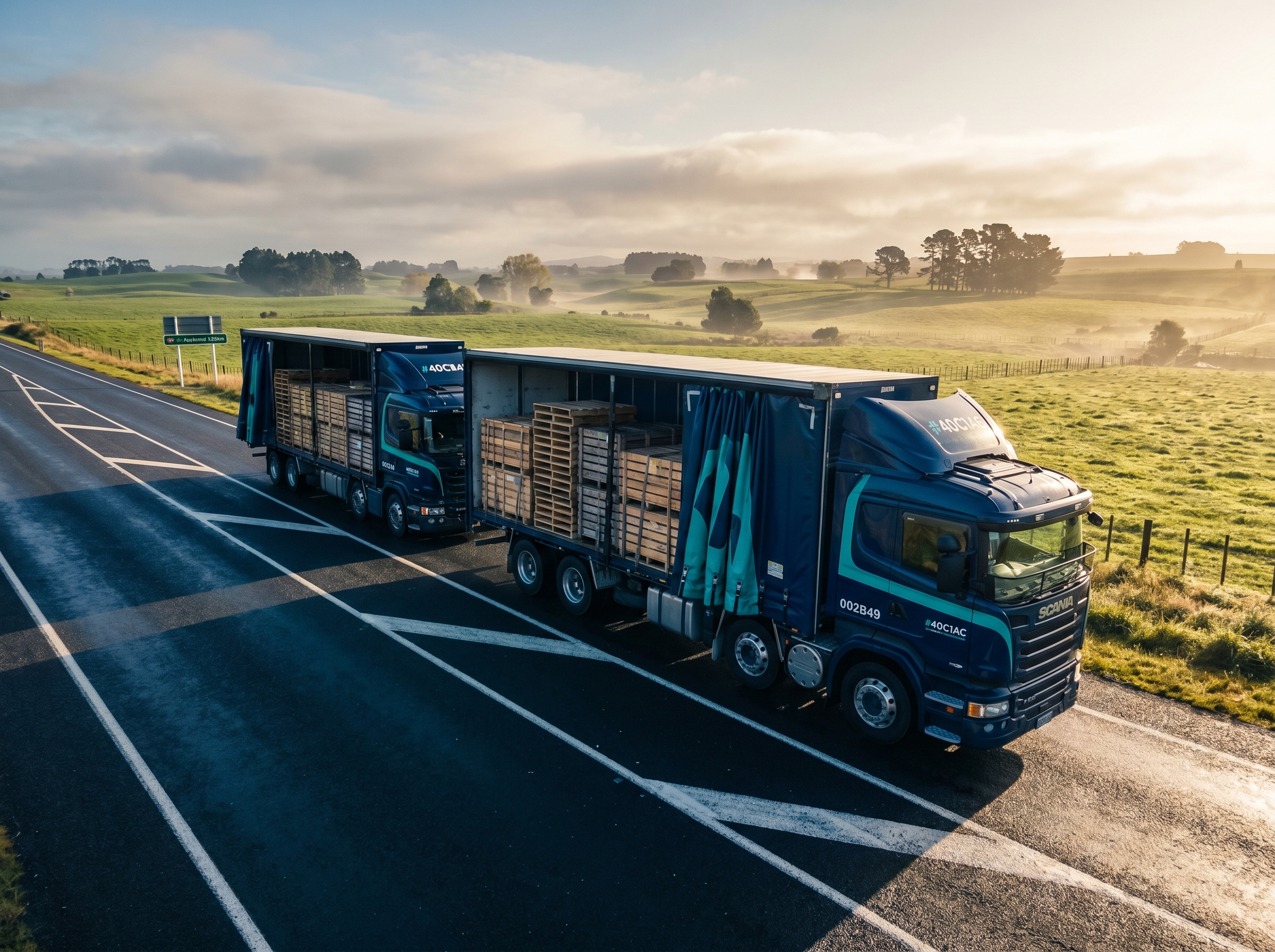
Telematics vs GPS tracking
Vehicle Telematics vs GPS Tracking
GPS tracking is one component of a telematics system. A basic GPS tracker shows you where a vehicle is. A full telematics system adds driver behaviour monitoring, engine diagnostics, fuel data, and compliance records on top of that location data. Fleet tracking covers live location and route history. Full telematics extends that to driver behaviour analysis, engine health monitoring, RUC distance records, and fleet analytics showing trends across your entire operation.
- Fleet TrackingReal-time GPS location, trip history, route replay, and geofence alerts. One powerful component within a full telematics system.
- TelematicsExtends fleet tracking with driver behaviour monitoring, engine diagnostics, fuel data, RUC distance records, and compliance reporting.
- Fleet AnalyticsTrend analysis across your entire operation — utilisation rates, safety events, maintenance costs, and fuel performance over time.
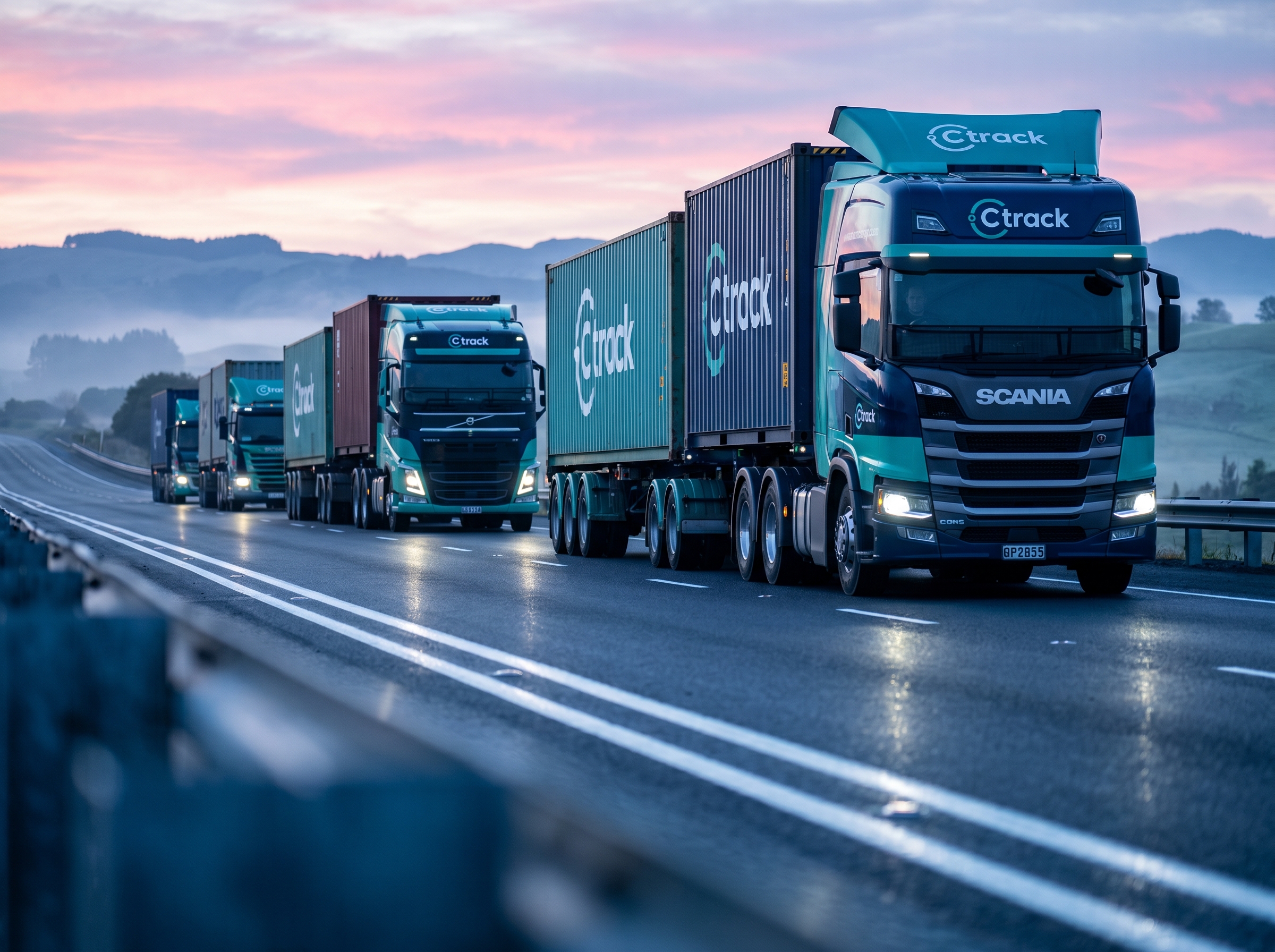
Fleet telematics in New Zealand
Fleet Telematics in New Zealand
The ANZ telematics installed base is projected to reach 2.4 million units by 2027, growing at 11.5% annually. Several NZ-specific requirements make telematics especially valuable here. Every diesel vehicle and vehicle over 3.5 tonnes GVM must purchase Road User Charges licences and track distance accurately — GPS-based telematics provides verified odometry records for accurate licence purchasing and off-road distance claims. Drivers of heavy vehicles must comply with NZTA work time limits of maximum 13 hours driving per 24-hour period and 70 hours per 7-day period. Under the Health and Safety at Work Act 2015, every PCBU carries a duty of care over drivers and others affected by its operations.
- Road User ChargesEvery diesel vehicle and vehicle over 3.5 tonnes GVM requires RUC licences. GPS-verified distance records support accurate licence purchasing and off-road refund claims.
- NZTA work time complianceDrivers of heavy vehicles face limits of 13 hours per 24-hour period and 70 hours per 7-day period. Crystal alerts you before a driver approaches their limit.
- HSWA duty of careEvery PCBU carries a duty of care under the Health and Safety at Work Act 2015. Telematics creates an audit trail demonstrating active management of driver risk.
Telematics benefits for your fleet
Telematics Benefits for Your Fleet
Route optimisation reduces fuel expenses by 10 to 15%. Maintenance alerts based on engine diagnostics prevent unplanned breakdowns — vehicle downtime costs NZ fleets between $700 and $1,180 per vehicle per day, so catching a fault early is far cheaper than an unscheduled breakdown on the road. Driver behaviour monitoring combined with coaching reduces safety events by 52%. Around 12,000 vehicles are stolen in New Zealand each year — GPS-tracked vehicles achieve over 80% recovery rates compared with approximately 20% for untracked vehicles. Fleet tracking delivers an average 300% return on investment, at any fleet size.
- Lower operating costsRoute optimisation reduces fuel expenses by 10-15%. Engine diagnostics alert you to faults before they cause $700-$1,180 daily vehicle downtime costs.
- Better safety outcomesDriver behaviour monitoring combined with coaching reduces safety events by 52%. Evidence-based conversations with drivers before an incident occurs, not after.
- Theft protection and complianceGPS-tracked vehicles achieve 80%+ recovery rates versus around 20% for untracked vehicles. Automated records are ready for NZTA or WorkSafe audits at any time.
Frequently Asked Questions
Ctrack telematics NZ
Ready to see telematics in action?
Book a demo with the Ctrack NZ team to see how Crystal telematics works for your fleet, or visit the Ctrack Glossary to explore more fleet management terms.