
What Is Driver Monitoring? Fleet Safety Technology Explained
Driver monitoring refers to the use of in-vehicle technology to observe driver behaviour in real time. A driver monitoring system (DMS) combines an AI-powered in-cab camera with telematics data to detect fatigue, distraction, and unsafe driving. Fleet managers across New Zealand use it to reduce accidents and demonstrate active risk management under the Health and Safety at Work Act 2015.
How It Works
How a Driver Monitoring System Works
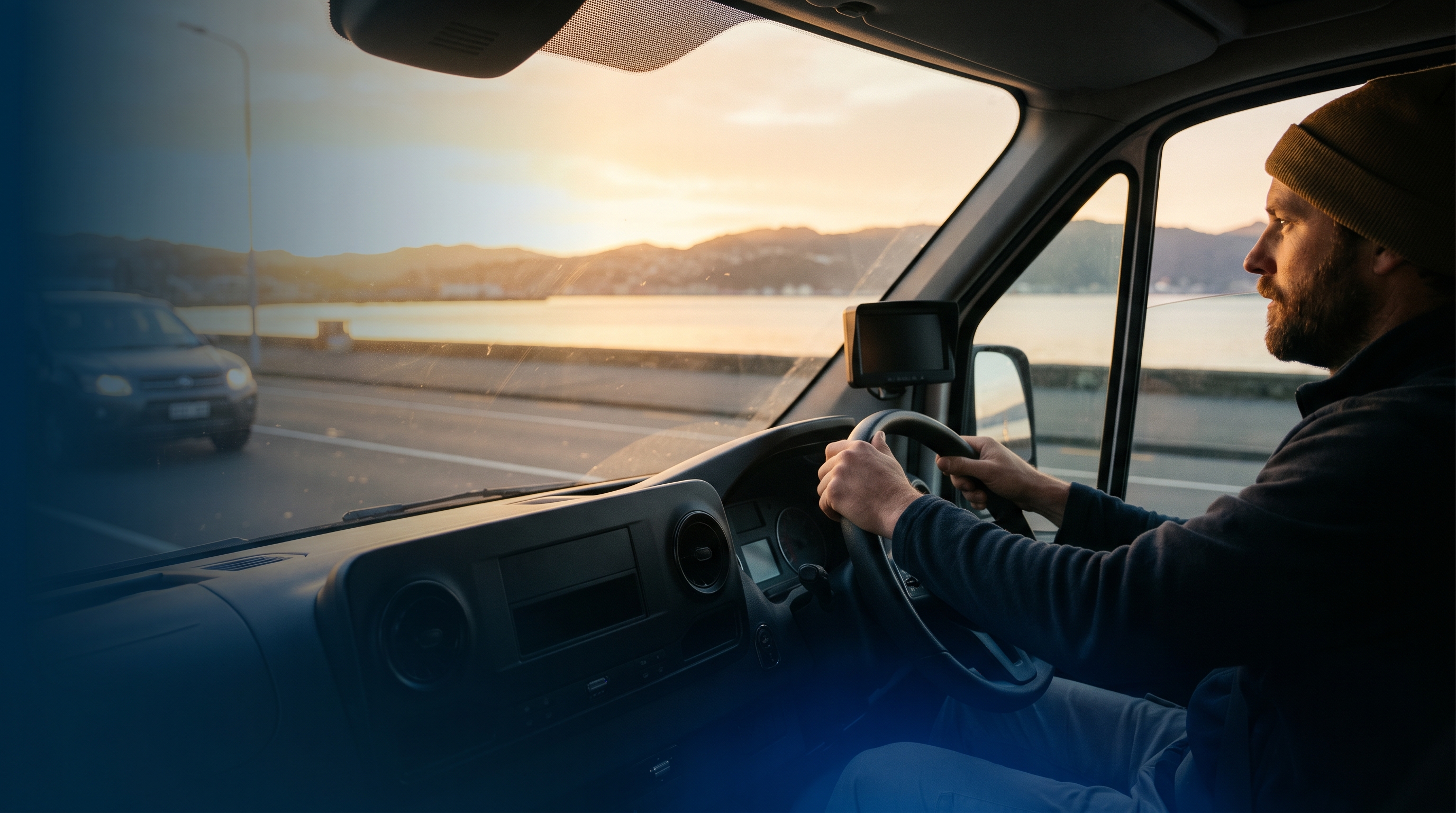
An in-cab camera mounts above the steering column, facing the driver. Infrared sensors track the driver's eyes, head position, and facial movements. AI algorithms process this data in real time, watching for signs of fatigue, distraction, and unsafe behaviour.
When the system detects a risk event, it responds in approximately 1.5 seconds. A voice alert sounds inside the cab to restore driver attention. At the same time, the fleet management platform flags the event and stores a short video clip for later review. Distracted driving contributes to 71% of truck crashes, so speed of response matters.
Modern driver monitoring cameras use infrared technology that works in complete darkness and through sunglasses. Detection accuracy for current AI fatigue systems exceeds 90%.
- Infrared AI detectionTracks eye closure, head position, and facial activity in real time. Responds within 1.5 seconds of detecting a risk event.
- In-cab voice alertsRestores driver attention at the moment of risk. Event data and video footage reach your fleet manager simultaneously.
- Night vision sensorsInfrared sensors work through sunglasses and in complete darkness, providing consistent monitoring on all routes and shifts.
Detection Capabilities
What Driver Monitoring Systems Detect
Today's driver monitoring systems cover a range of unsafe driving behaviours.
Fatigue detection: Prolonged eye closure, repeated yawning, and head movement consistent with drowsiness trigger an alert before the driver becomes a danger on the road. Drowsiness increases crash risk by four to six times compared to an alert driver.
Distraction detection: Phone use, looking away from the road, eating, and other secondary activities are captured in real time. Each distraction event is timestamped, linked to GPS location, and stored for manager review.
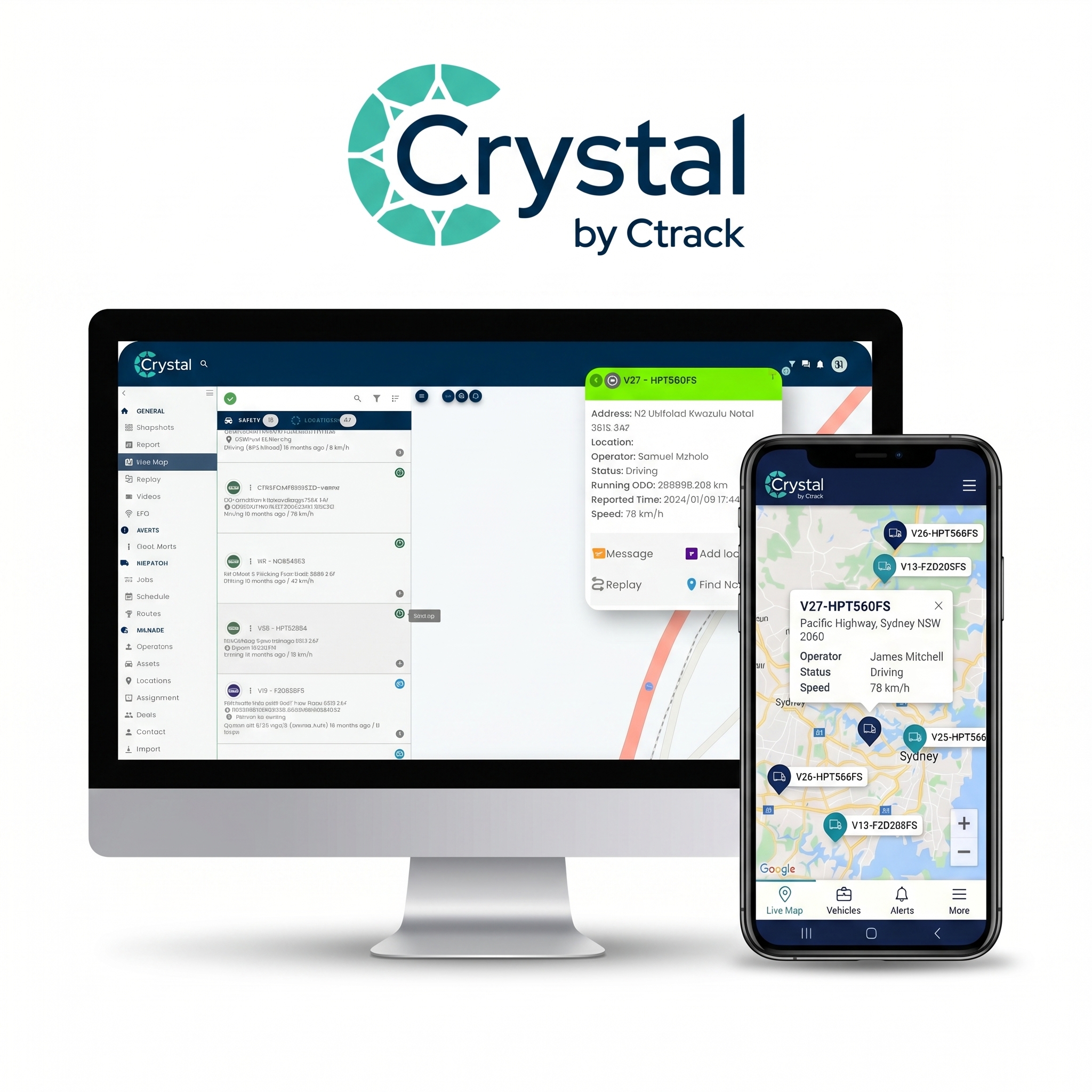
Every detected event is linked to vehicle speed and GPS location, building a complete picture of driving conditions at the time.
- Fatigue and drowsinessEye closure, yawning, and head drooping patterns. Drowsiness increases crash risk by four to six times compared to an alert driver.
- Distraction and phone usePhone use, looking away, and secondary tasks captured in real time. Each event is timestamped, GPS-linked, and stored as video evidence.
- Microsleep monitoringBrief involuntary eye closures of under one second detected before drivers are aware they are fatigued.
HSWA 2015
Driver Monitoring and HSWA Compliance in NZ
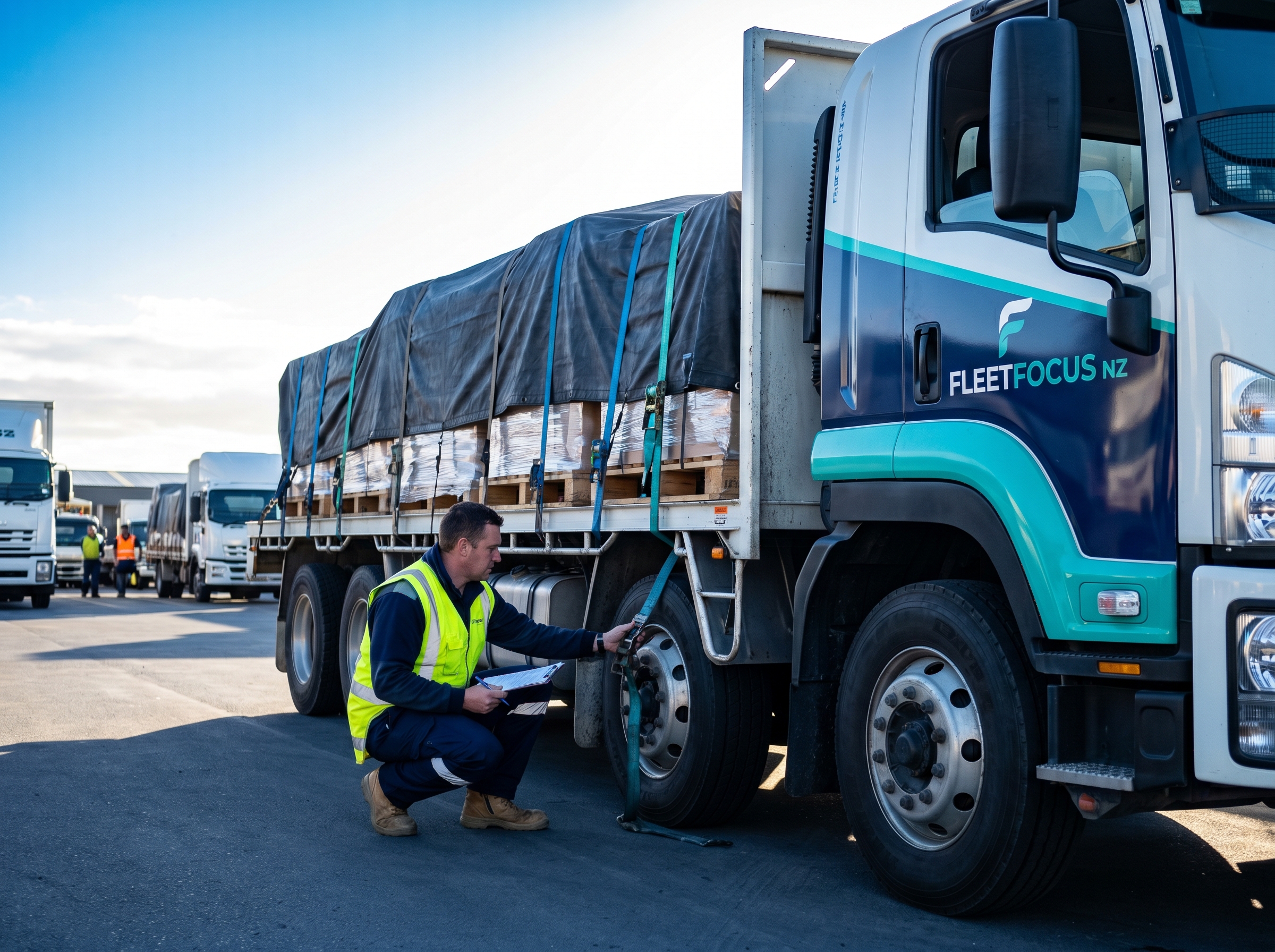
Under the Health and Safety at Work Act 2015, every New Zealand PCBU must take all practicable steps to manage workplace risks. For transport operators, fatigue and distraction represent two of the highest-risk factors on any route. WorkSafe NZ can investigate and prosecute where a PCBU fails to address known transport hazards. A driver monitoring system creates an active risk management record. Every alert, every event, and every intervention is logged and timestamped. Fatigue detection technology also supports obligations under the Land Transport Rule: Work Time and Logbooks 2007, which sets maximum driving hours and minimum rest requirements for heavy vehicle operators in New Zealand.
Coaching and Improvement
Driver Behaviour Monitoring and Coaching
Detection on its own reduces accidents. Detection combined with coaching changes long-term behaviour.
Driver behaviour monitoring connects fatigue and distraction events to broader driving data, including harsh braking, acceleration, and cornering. Fleet managers see individual scorecards for each driver, identifying who needs support and where risk is concentrated across the fleet.
Research from VTTI shows that after one to two months of coaching supported by monitoring data, only 1% of drivers still require regular intervention, down from 25% at the programme start. That is measurable, lasting improvement.
- Driver scorecardsIndividual risk profiles per driver based on fatigue events, distraction, harsh braking, acceleration, and cornering.
- Measurable safety outcomesVideo monitoring with coaching reduces safety events by 52%. Driver exoneration rates reach 63% when dashcam footage captures incidents.
- Insurance and compliance gainsFleets with monitoring technology typically secure 5 to 15% lower insurance premiums, with timestamped records ready for WorkSafe NZ audits.
Frequently Asked Questions: Driver Monitoring
Common questions about driver monitoring technology, how it works, and how NZ fleets use it.
See How Driver Monitoring Works in Practice
Explore the Ctrack driver monitoring solution or book a personalised demo to see real-time fatigue detection, driver behaviour analytics, and HSWA compliance reporting in action.