
What Is a Dash Cam and How Does It Work?
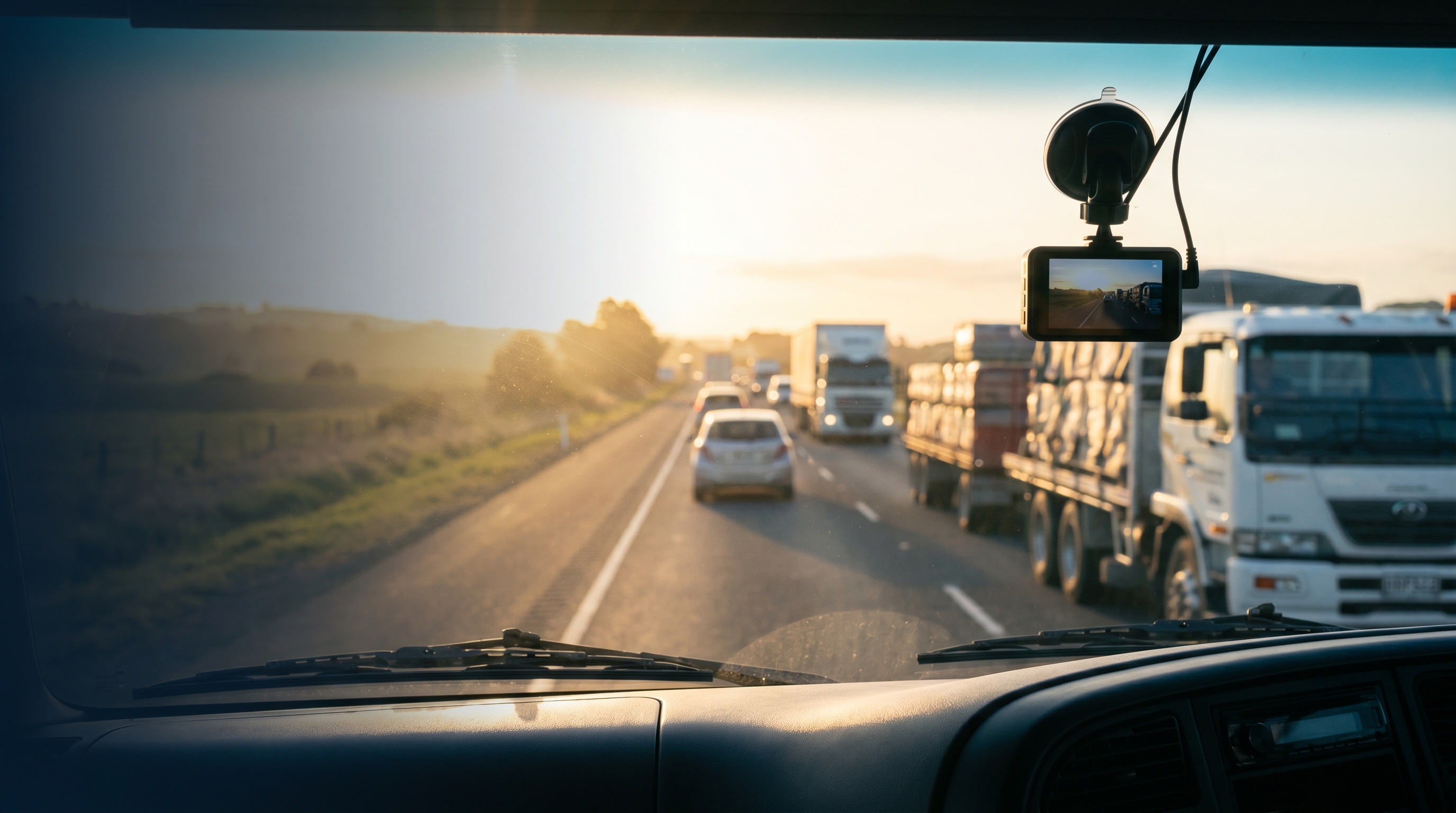
A dash cam is a compact video camera mounted to the windscreen or dashboard of a vehicle. It records continuous or event-triggered footage of the road ahead, the driver cab, and vehicle surroundings. In commercial fleet settings, dashcam systems provide objective video evidence of incidents, support driver coaching, and help resolve insurance claims faster.
Recording Technology
How Does a Dash Cam Work
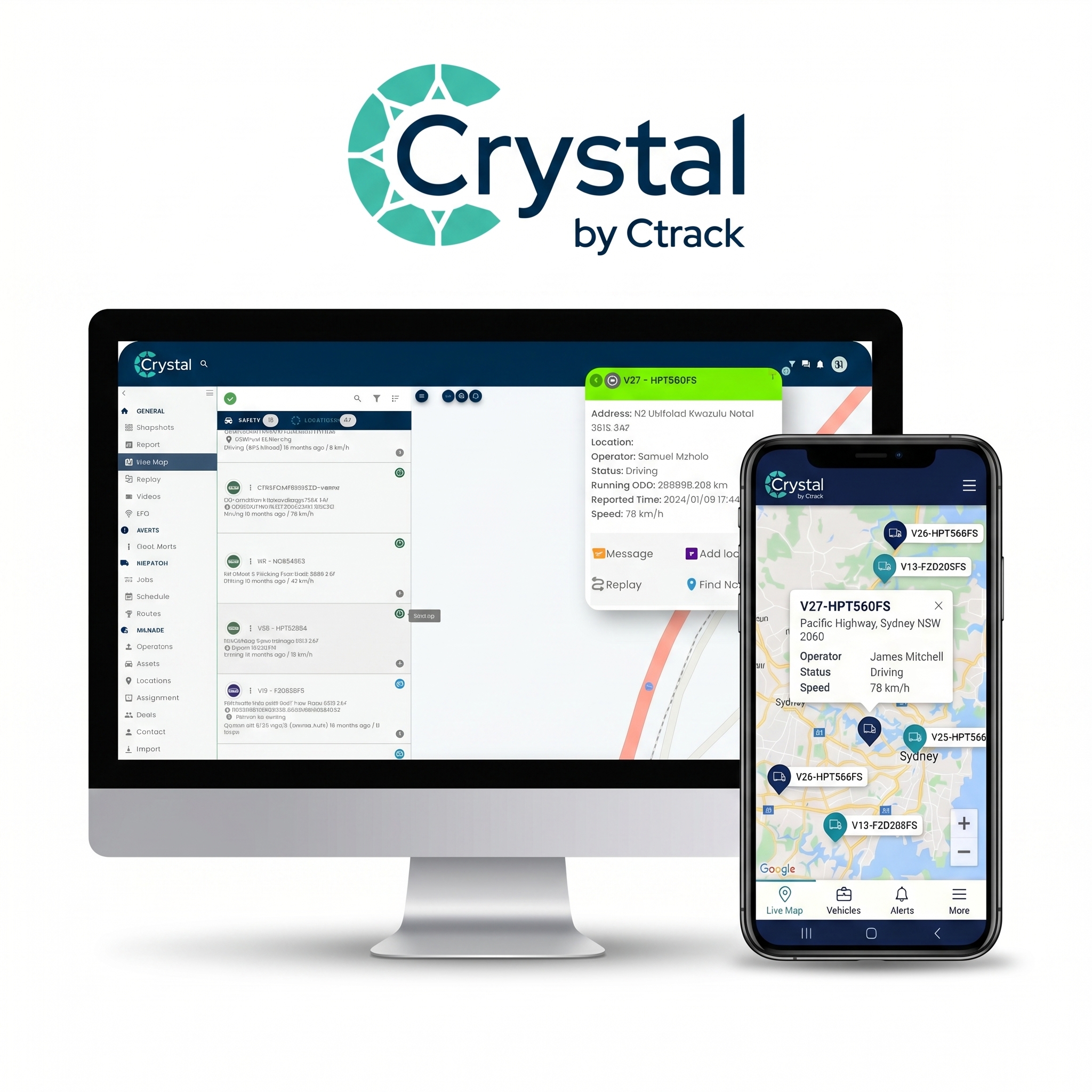
Most dash cams use loop recording. Once storage is full, the camera overwrites the oldest footage automatically. When an event is detected — such as hard braking or a collision — the camera saves that clip and protects it from being overwritten. GPS tracking records vehicle speed and location alongside each recording.
Many fleet-grade dash cams upload event clips to cloud storage automatically, so footage is available without retrieving the physical device from the vehicle. Fleet dash cam systems connect to telematics platforms, where GPS coordinates, vehicle speed, and camera events are timestamped and stored together. This gives fleet managers a complete record of what happened, where, and when.
- Loop recordingContinuous footage overwrites the oldest clips, protecting event-triggered recordings automatically.
- GPS-linked timestampsSpeed and location recorded alongside every camera event for accurate incident reconstruction.
- Cloud footage uploadEvent clips upload automatically so managers can review footage without visiting the vehicle.
Camera Configurations
Types of Dash Cam for Fleet Vehicles
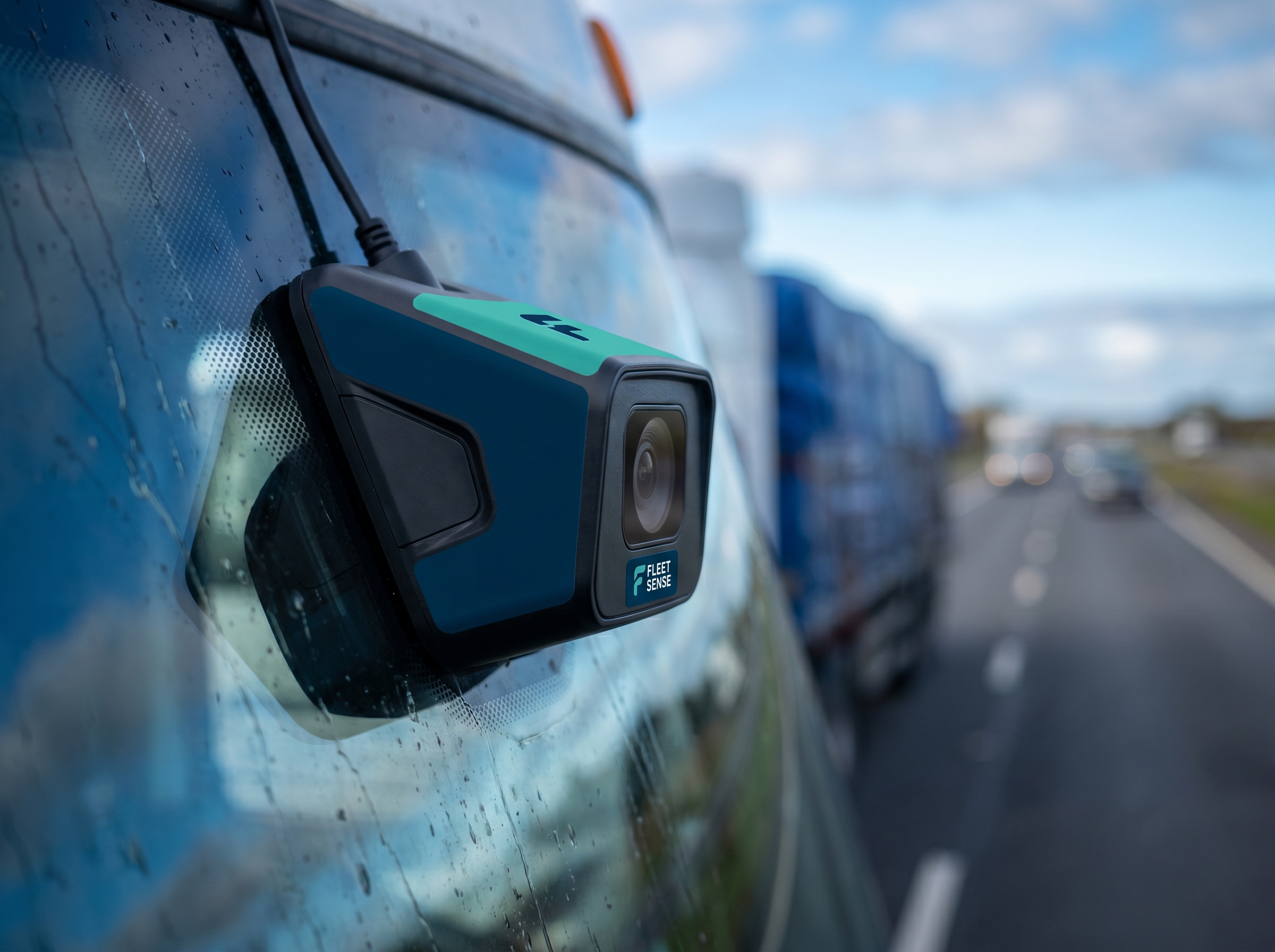
Fleet operators in New Zealand typically use three main configurations. Forward-facing cameras record the road ahead through the windscreen. They capture near-misses, traffic incidents, and road hazards. This is the most common entry-level configuration for commercial vehicles operating on NZ roads.
Dual-facing systems add a driver-facing lens inside the cab. This camera records the driver's eyes, hands, and posture, supporting fatigue detection, distraction monitoring, and phone use identification. AI dash cams go further, using machine learning to detect risky driver behaviour in real time and deliver in-cab alerts before an incident escalates. Multi-channel MDVR systems cover up to eight camera angles across a vehicle, common on buses, trucks, and heavy transport.
- Forward-facing camerasRecords the road ahead through the windscreen. Standard configuration for NZ commercial fleets.
- Dual-facing systemsAdds a cab-facing lens to capture driver fatigue, distraction, and phone use in real time.
- AI dash camsMachine learning detects risky behaviour and sends in-cab alerts before incidents occur.
Fleet Benefits
Dash Cam Benefits for Fleet Operations
The primary reason NZ fleet managers invest in a dash cam system is incident evidence. When a claim is disputed, video footage shows exactly what happened. Road-facing cameras exonerate drivers in 63% of disputed cases. Trucks are not at fault in more than 80% of serious collisions with passenger vehicles on NZ roads, but without video evidence that is difficult to prove.
Insurers offer 5-15% premium reductions for fleets using telematics and cameras. Video evidence reduces claim processing time by 70%. For a 100-vehicle fleet spending $10,000 per vehicle on insurance each year, a 10% reduction returns $100,000 annually. Driver coaching is a second key benefit. Fleets using dash cam systems with structured coaching programmes see safety events reduce by 52%.
- Driver exonerationRoad-facing footage exonerates drivers in 63% of disputed insurance claims.
- Lower insurance premiumsInsurers offer 5-15% premium reductions for fleets with verified camera coverage.
- Driver coachingStructured coaching programmes using video footage reduce safety events by 52%.
NZ Compliance
Dash Cam and Privacy in New Zealand
NZ fleet operators must consider the Privacy Act 2020 when deploying driver-facing cameras. Drivers should be informed that cameras are installed and what footage will be used for. Event-based recording reduces privacy concerns because footage is only captured and reviewed when a triggering incident occurs. WorkSafe NZ expects operators to manage driver safety obligations under the Health and Safety at Work Act 2015 (HSWA). Dash cam footage supports the evidence trail a PCBU needs to demonstrate due diligence. NZTA also sets transport regulations including work time rules where dashcam data provides relevant supporting evidence.
Frequently Asked Questions About Dash Cams
Fleet Camera Solutions
See Ctrack Dash Cam Solutions for NZ Fleets
Connect with a Ctrack specialist to explore fleet dash cam and AI camera options for your New Zealand vehicles.